You can picture the end result, clean grain, lighter rooms, that “finally feels finished” feeling. But the worry is the middle bit, how long you will lose the room for, and whether it will turn everyday life upside down. Therefore, this guide breaks down realistic floor sanding timelines, what changes the schedule, and when it is safe to walk on, move furniture back, and get back to normal.
If dust is your biggest concern, you might want to read Does Floor Sanding Create Lots of Dust? first, it answers the question people are often too polite to ask out loud.
Key takeaways
- Floor sanding has two timelines, the sanding itself, and the drying and curing time after the finish goes on.
- One room can often be sanded in a day, but the “back to normal” point usually takes longer because the finish needs time to harden.
- Hallways, stairs and landings often take longer than expected because of edging, corners and detail work.
- Floor condition really matters more than size, repairs, old finishes, paint, adhesive and uneven boards can all add time.
- Light walking is usually possible earlier than furniture, most avoidable marks happen when people move things back too soon.
- Your finish choice affects access and re-entry, oil and lacquer behave differently in drying and cure time.
- If you want the job to feel easier, clear the room properly, plan a walking route, and keep grit away from the fresh finish.
What “time” actually means with floor sanding
Most people ask “how many days?”, but the truth is, there are two clocks running.
The first clock is work time, sanding, edging, prep, and finishing coats. The second clock is drying and curing time, when the finish hardens enough for normal life. You might be finished with sanding in a day, but still need a little patience before rugs, heavy furniture, and full wear.
That’s why two quotes can both say “two days”, but one home feels easy, and the other feels stressful. The difference is planning around cure time, not just around the sanding of the floor.
Typical timelines, room by room
Every floor is completely different, but below are sensible expectations for many Cambridge homes:
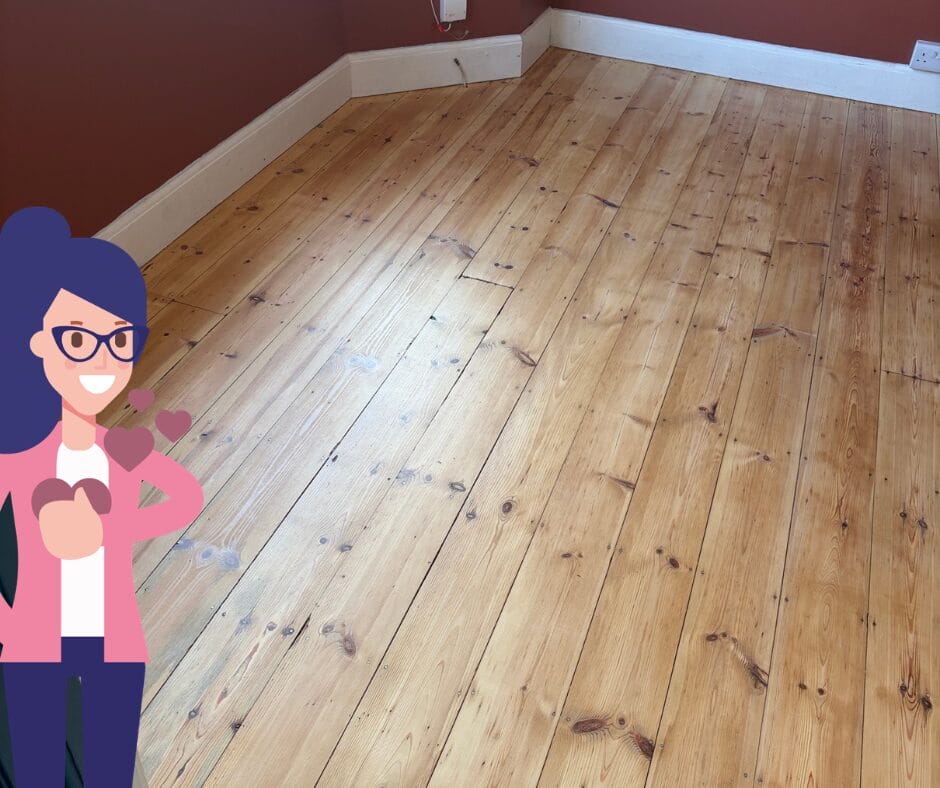
A single bedroom is normally the quickest. If the boards are in good shape and access is completely clear, sanding and the first coat can often be done in a day, but then you still have to allow drying time before you go back to normal use.
A living room will take longer, not because it is harder to sand, but because it tends to have more furniture, more edges, and more “life marks” that need careful prep. The work can still be straightforward, but the pacing does matter.
Hallways, stairs, and landings nearly always take longer than people expect. The worry is “it is a small area”, but the reality is detail work, corners, nosing’s, and lots of edging. Therefore, this zone often needs more time, even when the square metreage is not huge.
If your floor needs stabilising or patch repairs first, that will probably change the whole timeline. This is worth a read if you suspect loose boards, gaps, or damage, because it explains what adds time and why: Does My Wood Floor Need Repairs Before Sanding?
What makes the job take longer
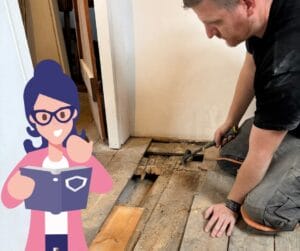
Floor condition is the biggest variable. Deep wear, uneven boards, old adhesive, paint residues, and previous poor sanding all slow the grit progression and will inevitably increase prep time. You might be hoping for a simple refresh, but the floor might need more “making good” before it can look calm and even.
Edges and obstacles add hours. Fireplaces, tight hallways, fixed cupboards, and awkward corners can all extend the schedule. Therefore, two rooms of the same size can have very different timelines.
Finish choice changes the pace. Some systems allow earlier light access, and some need longer before the floor is ready for full, everyday wear. It is not only “oil vs lacquer”, it is also the specific product, the number of coats, and the conditions in your home.
When can you walk on it, and when can furniture go back?
This is the part of the whole job that most people really care about, because it affects school runs, pets, and whether you can cook dinner without feeling like you are camping.
In many cases, light foot traffic is possible sooner than people think, but it needs to be careful. Socks only, no grit, no dragging, and no sharp turns on the spot. That first day or two is when avoidable scuffs will happen, and you don’t want that.
The next milestone is all of your furniture going back. People feel relieved, rush the move-back, and accidentally mark a finish that was nearly there. Therefore, the safest approach is staged re-entry, light use first, then furniture, then rugs last.
If you are weighing up finish options, these two pages explain the practical difference and what they mean for real homes:
For a natural feel and easier spot repairs, see Wood Sanding and Oiling!
For a sealed, durable surface that many families prefer, see Wood Sanding and Lacquer!
Do you need to leave the house?
People often assume they must move out, but that is not always true. The bigger question is whether you can live comfortably around the work, especially with children, pets, or home working.
If you are worried about disruption, this guide talks it through in a calm, practical way and helps you decide what is realistic for your layout: Do You Need to Leave Your Home During Floor Sanding?
How to make the timeline feel easier
You can’t always make a floor ready faster without compromising the finish, but you can make it feel smoother.
If the room is properly cleared, the day usually runs cleanly. If it is half-cleared, it often creates delays and stress that nobody needs. Therefore, the simplest win is removing everything properly, including small items that get forgotten until the last moment.
It also helps to plan your walking route in advance. Decide which rooms stay “safe” while another is being finished, particularly in open-plan homes or where the hallway is the only access.
Finally, keep grit away from the fresh finish. Most early scuffs are not the finish failing, they are grit under socks or shoes. A simple doormat and a no-shoes rule for the curing window can protect the look you have paid for.
A quick note on wood dust
Even with modern extraction, wood dust is something professionals take seriously. If you want reassurance on what “good control” looks like, the UK Health and Safety Executive explains wood dust risks and the importance of managing exposure!
FAQs
How long does it take to sand and finish a wooden floor?
Sanding itself can often be completed within a day per room, but the full timeline includes finishing coats and drying and curing time. Your floor’s condition and your chosen finish system are the two biggest influences.
How soon can you walk on sanded floors?
Often sooner than you expect, but only as light traffic, and only once the finish has dried enough. Your contractor should give clear guidance based on the specific products used and the conditions in your home.
How long before the furniture can go back?
This varies by finish and environment, but staged move-back is usually the safest approach. Avoid dragging anything, and treat rugs as the final step.
Does floor sanding always take multiple days?
Not always for the sanding work itself. The “back to normal” point usually includes drying and curing time, which is where patience pays off.
What if my floor needs repairs first?
Repairs can add extra time to you having your floor finished and ready, but they often prevent bigger problems later… such as movement, new gaps, or uneven finishing. In most homes, it is time well spent.
If you are planning around life, not just the floor, start by thinking in zones. Which room do you need first, and which can wait a little longer? Once the order is clear, the schedule usually feels much simpler.