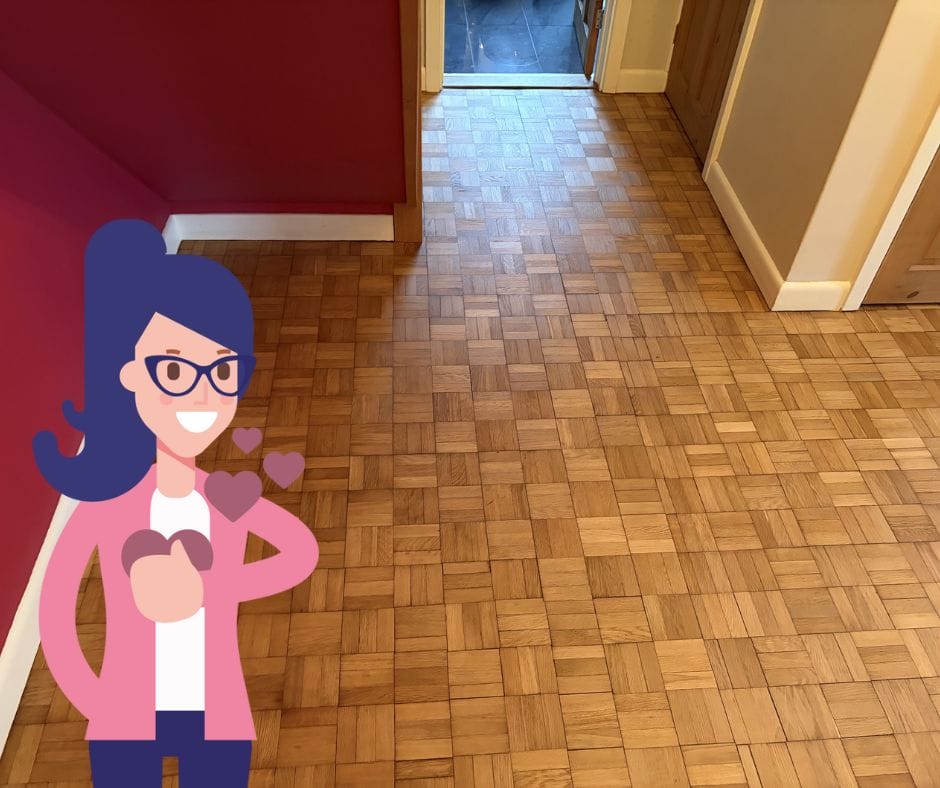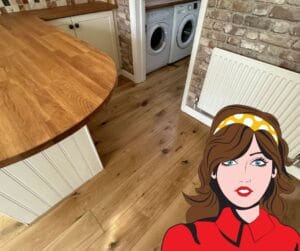
When you restore your wood floors, the change can feel instant. Rooms look brighter, cleaner and more welcoming. Once the work is finished, the natural question many families in Cambridge ask is simple.
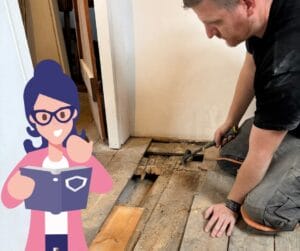
Check out our guys in action:
How long will the new finish last before the floor needs attention again?
With the right aftercare, a professionally sanded and sealed wood floor can stay beautiful for many years. In lower traffic rooms, it may last a decade or more. In busy areas like hallways and family kitchens, the finish can still hold up well for many years if it is protected and maintained.
The real difference comes from the care you give the floor in the weeks, months and years after restoration.
This guide explains what influences lifespan, how to care for your floors day to day, and the small habits that protect your investment for the long term.
Why Cambridge homes see different lifespans
Every house is different, and this is especially true in Cambridge. Families live in everything from modern builds in new estates to Victorian terraces with older pine boards. These variations create natural differences in how long a sanded floor remains at its best.
The wood type, the finish chosen, the direction of light through the windows and the level of daily activity all play a part. What remains true across every home is that a well-looked-after finish will always outlast one that is left to cope with wear on its own.
If you want support with planning work before visitors or events, we explain the process clearly in our guide on preparing your home for wood floor restoration in Cambridgeshire. This is one of the most helpful starting points for understanding what the team will do and how to get ready.
How long a sanded floor typically lasts
For most Cambridge households, especially with young families, the finish on a newly sanded floor will usually last within the following ranges:
High traffic rooms
These include hallways, play areas, kitchens and open-plan family living rooms. With steady care, the finish can stay strong for several years before any further work is needed. Light marks may appear earlier, but these do not usually require major restoration if handled promptly.
Moderate traffic rooms
Dining rooms, studies and occasional sitting rooms often keep their finish for many years. Floors in these rooms benefit from reduced daily wear, allowing the protective layer to remain intact for longer.
Low traffic rooms
Spare rooms and quiet corners of the home may hold their finish for a decade or more. In these spaces, only minimal care is needed, yet even gentle protection goes a long way in preserving the clean, even appearance of the surface.
These timeframes are not fixed rules, because lifespan depends on how the floor is treated once the work is complete. That is where aftercare makes all the difference.
What determines the lifespan of your sanded floor
Wood species and age
Older pine boards, common in Cambridge period homes, are naturally softer. They mark and dent more easily than oak, and this affects how long the finish can hide day-to-day wear.
Oak, engineered boards with a thicker wear layer, and other hardwoods tend to hold up better under family traffic.
The type of finish you had applied
Lacquers, oils and hard wax finishes all perform differently. The finish your technician chose will suit your home’s needs, but each responds to care in its own way.
Lacquer offers stronger surface protection, while oils sink into the grain for a natural look that can be refreshed in targeted areas.
You can find a clear explanation of these finish choices in our article, What to expect from wood floor restoration in Cambridgeshire. This helps you understand why one finish may be chosen over another for your home.
Amount of daily traffic
Families with young children often see shoes, toys and busy routines that contribute to more regular wear. Rugs, mats and simple protective habits help the finish last much longer in rooms where the family gathers.
Cleaning routines
Dust, crumbs and grit are tiny particles that behave like a fine abrasive. When they are allowed to settle on the surface, they can gradually reduce the clarity of the finish. A simple and gentle cleaning routine prevents this.
Furniture movement
Chairs, tables and even light sofas can cause marks if the legs sit directly on the floor. Felt pads make a significant difference in preserving both the finish and the wood beneath.
Aftercare that makes floors last
Aftercare begins the moment the technician leaves your home. The choices you make in the first few days set the foundation for years of good performance.
Let the finish settle and harden fully.
After the work is completed, avoid moving furniture back into place too quickly. The surface may feel dry, but the finish continues to cure for several days. Allowing this natural hardening process to complete strengthens the protection of the wood.
Keep the floor lightly used at first.
Young children and pets add natural energy to the home, but the floor benefits from a few days off while the finish cures fully. Light use is fine, but keeping toys and heavier furniture off the floor helps keep the surface smooth and even.
Use gentle products for cleaning.
Sweeping or vacuuming with the wooden floor attachment and using a pH-neutral cleaner are the safest ways to care for a sealed floor. Harsh products can weaken the finish over time. A simple routine is often all that is needed to keep the floor looking bright.
For a fuller overview of protective habits, see our guide on how to protect your wood floors from damage in Cambridgeshire. Families often find this article reassuring because it shows how small habits extend the life of the floor.
Protect the floor in high-wear areas.
Doorways, hallways and dining areas are the places most likely to show early signs of dullness. Runners and soft mats can absorb some of the impact of daily use. These small additions help the finish stay attractive for much longer.
Manage natural light and humidity.
Strong sunlight and changes in humidity affect both the wood and the finish. Curtains, blinds and steady indoor temperatures prevent the wood from expanding or fading in uneven patterns.
Refreshing the finish before full restoration is needed
Many families assume that once a floor begins to lose its shine, it must be sanded again. Fortunately, this is rarely the case.
A simple recoat can bring back clarity and protection without the need for deeper work. Recoating adds a fresh layer of protection and prevents the finish from wearing down to the raw wood.
This small intervention is often far more cost-effective and significantly extends the lifespan of the previous restoration.
If you are unsure whether your floor needs a recoat or something more, our article on planning wood floor restoration in Cambridge homes offers useful guidance and examples of the signs to look for.
When full sanding becomes necessary
Sanding becomes necessary only when the protective layer has worn through, and the raw wood is exposed. This allows moisture, spills and daily friction to reach the grain.
Signs you may notice include:
- Dark marks that do not clean away
- Patches that feel rougher underfoot
- Areas where toys or chair legs have created deeper indentations
- A dull path forms through the centre of a room
In a busy Cambridge home, these signs sometimes appear sooner in hallways than in bedrooms. Addressing them early prevents the need for more extensive repairs later.
When a new floor may be the right decision
Although many floors can be sanded several times over their life, there are cases where a replacement is the better long term choice. This is usually when the boards are extremely thin, heavily damaged or have been sanded many times before.
If you ever reach a point where a new floor feels more suitable than restoration, our sister company, Art of Flooring, offers guidance on choosing a surface that suits both your home and your lifestyle.
Their showroom in Cambridge provides a calm space to explore options and understand which ranges offer the best durability for busy families.
Key takeaways
- A professionally sanded wood floor can last many years in a Cambridge home, especially with steady aftercare.
- Most wear comes from daily family traffic, grit and movement of furniture, so small protective habits make a big difference.
- Simple routines like gentle cleaning, using felt pads and placing mats in busy areas help the finish stay strong.
- Recoating is often enough to refresh a tired floor without needing a full sanding.
- When the boards become very thin or damaged, a new floor from Art of Flooring may be a better long term choice.
Frequently asked questions
- How long does a sanded wood floor last in a busy family home?
Most Cambridge families see several years of good performance in high traffic rooms and much longer in quieter spaces. The lifespan depends on aftercare, wood type and the finish used. With the right habits, the floor can stay attractive for a long time before any major work is needed.
- Does the type of wood affect how long the finish lasts?
Yes. Softer woods like older pine mark more easily, while oak and other hardwoods hold up well under daily use. Engineered boards with thicker wear layers also last longer. The technician will choose a finish that suits your wood and lifestyle.
- How can I make my sanded wood floor last longer?
Gentle cleaning, felt pads on furniture legs, mats in doorways and a calm first few days after restoration help the finish settle and stay strong. Managing sunlight and humidity also prevents early wear.
- How do I know if my floor needs a recoat instead of a full sanding?
If the floor looks a little dull but still feels smooth and protected, a recoat is often enough. Deep marks, water spots and rough patches suggest that sanding may be needed. The team can assess this quickly and give clear guidance.
- How often should a wood floor be sanded in a Cambridge home?
Most families do not reach the point of full sanding for many years. Some floors can be maintained with occasional recoats for long periods. Sanding becomes necessary only when the protective layer has worn through to the raw wood.
- When would a new floor be better than restoring the existing one?
If the boards have been sanded many times, are damaged beyond repair or are very thin, replacing them may be the safer option. Art of Flooring can help families choose a durable new surface that suits the home and lifestyle.
What this means for your home in the long run
A sanded wood floor brings warmth and character back into your home. With the right aftercare, it can stay bright and welcoming for many years. Simple habits, gentle cleaning and an occasional refresh of the finish are often all that is needed.
If you ever feel unsure about what your floor needs next, our team is here to help you make a clear and confident decision. When the time comes to plan another restoration, you will know exactly what to expect and how to protect the results for the long term.
Whenever you are ready, you can explore more guidance in our Knowledge Centre or talk to us about maintaining the beauty of your floors for many years to come.