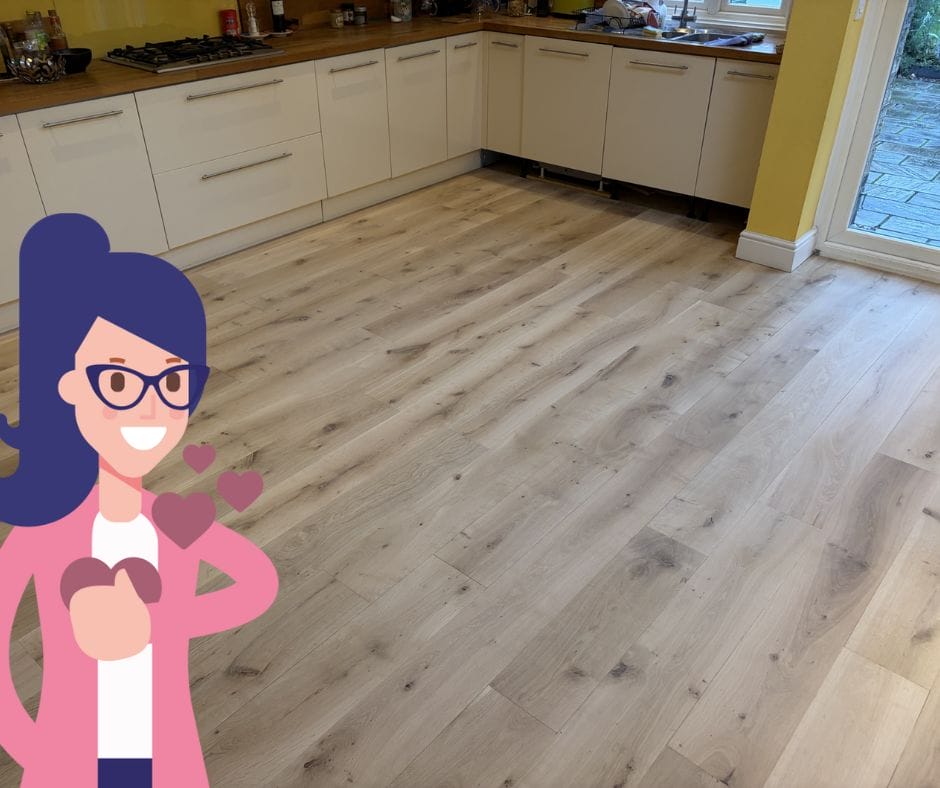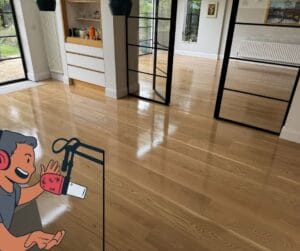
Spring is when a lot of people breathe a sign of relief!! Lighter mornings, doors open more, and the house feels fresher.
But your wood floor can feel a little unpredictable at the moment. Winter’s dry heating air often leaves small gaps… and then spring’s humidity arrives!! Those boards start to take all the moisture back in and start to expand. That is normal seasonal movement, but it can also highlight problems you will want to catch sooner rather than later.
If you want one simple aim for spring, it is this… keep moisture as steady as you can, clean out that winter grit properly, and spot early warning signs before they turn into repairs.
Key Takeaways
- Spring’s humidity can close those winter gaps, but any uneven moisture might still cause cupping or movement.
- Deep cleaning protects the finish because winter grit and salt will keep scratching long after the cold goes.
- Keep cleaning “damp, not wet”, and avoid steam or soaking, which can push moisture into joints.
- If the floor still looks tired after a proper clean, you may be closer to a recoat or restoration than another year of living with it.
- A quick professional check can save money later, especially if you suspect moisture, movement, or a worn finish.
Why your floor feels different in spring…
Winter heating dries indoor air, wood releases moisture, and boards can shrink slightly… and then along comes spring and usually reverses that… the humidity rises, and boards expand again, so those small winter gaps often close up.
This is completely normal, but it can cause a noticeable change. Especially if one area is taking on more moisture than another, the movement becomes uneven, and that is when you may notice edges lifting, soft spots, or a slight ripple in the light.
If you are seeing big changes, do not assume it needs sanding immediately. The safest first step is always moisture control and observation, because sanding too soon can lock in a problem that comes back.
The spring deep clean that actually makes a difference
Spring cleaning is not just a mood; it is practical floor care.
Winter grit is the enemy of all wood floors. It sits in corners, around skirting, and by thresholds, then gets dragged across the surface day after day. Even when you cannot see it, it slowly dulls the finish and creates fine scratches.
A smart spring routine might look like this…
You start with a vacuum using a hard-floor head, working right into all the edges, under radiators, and around doorways. Then use a lightly damp microfibre mop and a suitable, pH-neutral wood floor cleaner.
The goal is “lift & remove”, not “wash & soak”. Too much water is where spring damage starts… especially in your older properties where airflow and subfloors can hold moisture longer.
If you want more detail on everyday care and the difference between finishes, the Knowledge Centre is a helpful starting point:
Humidity control without overthinking it
You do not need a lab, but you do need consistency.
Sadly, wood floors do prefer stable conditions. Spring can bring warmer, more humid air, and in Cambridge homes, that can show up as condensation, slower drying, and rooms that feel slightly “heavier”, especially on the ground floor.
A small hygrometer is useful. You are aiming for a comfortable, steady indoor range rather than chasing perfection.
If humidity is climbing, do the basics first:
keep airflow moving, avoid drying laundry on radiators in the same room as your wood floor, and consider a dehumidifier if the space is consistently damp.
If you have underfloor heating, spring is also a good time to check your settings. Slow, steady adjustments reduce stress on boards.
What to watch for, cupping, movement, and finish wear
Most seasonal changes are harmless. What you are watching for is uneven change.
Cupping often looks like the edges of boards sitting slightly higher than the centre. It can appear near doors, bay windows, kitchens, utility areas, or anywhere wet shoes land.
Movement that feels “new” is another signal, boards that feel slightly springy, or a faint change in sound underfoot. It does not always mean a major issue, but it does mean it is worth paying attention.
Finish wear is the one people miss. If the floor has dull, greyish traffic lanes or the surface looks patchy even after cleaning, that can be a sign the protective layer is thinning.
If you are not sure what happens during a professional restoration, this page tells you our approach.
When a refresh is better than another year of living with it
It is tempting to keep cleaning harder when the floor looks tired.
But if a proper deep clean does not lift the look, the finish may be worn, not dirty.
A refresh can mean different things depending on the floor. Sometimes it is a light recoat where appropriate, sometimes it is a full sand and refinish if wear is deeper, and sometimes it starts with repairs before any finish goes down.
We would only be able to do a light recoat on a floor that we have restored, and it really would still depend on how worn the old finish has gotten.
If you want to see service levels and what is included, you can also check the wider wood floor restoration service options here!
If you are close to booking, here is the simplest next step
I do not want this to feel rushed. Here are the options.
Option 1: You just want reassurance. Do the spring clean, monitor humidity for a couple of weeks, and see if the floor settles.
Option 2: You want clarity before summer. Book an assessment so you know whether it is a recoat moment, a restoration moment, or simply maintenance.
Option 3: You are ready to move forward. We can plan the work around your routine, drying time, and the finish you want.
If you would like us to take a look, you can get in touch here!
FAQs
Will winter gaps in my floorboards close up in spring?
Often, yes. As humidity rises in spring, boards usually reabsorb moisture and expand, so minor gaps that appeared during winter can reduce naturally. If gaps are wide, uneven, or getting worse, it is worth checking for an underlying moisture issue.
What is cupping, and should I worry?
Cupping occurs when the edges of boards rise slightly due to uneven moisture. It can happen with high indoor humidity, but it can also point to moisture beneath the floor. The best first step is to identify the moisture source and let the floor settle, rather than rushing into sanding.
Can I mop my wood floor in spring?
Yes, but keep it lightly damp, not wet. Use a microfibre mop and a floor-suitable cleaner, and avoid leaving standing moisture on the surface, especially near board joints and thresholds.
Should I use a steam mop on wood floors?
It is best to avoid a steam mop. Steam can push moisture into the wood and, over time, may contribute to movement, cupping, or wear in the finish.
Is spring a good time to book floor sanding in Cambridge?
It can be a good time, especially if you want the home fresh for summer. The key is having a sensible plan for access, drying time, ventilation, and indoor conditions. If you are deciding whether sanding is necessary, ask your local wood floor professional to come and have a look at the environment.