What to Know Before You Sand… You’ve likely chosen engineered wood for its balance of beauty and practicality… and you’re right to. But if the surface is starting to dull or wear, you might be wondering: can this floor be sanded? And how many times before it’s gone too far?
The answer lies in one crucial but often overlooked detail: the wear layer.
This blog gently explains what the wear layer is, why it matters, and how it shapes your options when restoring an engineered wood floor. Whether you’re planning ahead or exploring your first sanding, it’s worth knowing what you’re working with… before anyone picks up a sander.
What is a wear layer… and why does it matter?
Engineered wood floors are built in layers. At the very top sits a strip of real hardwood, known as the wear layer. Beneath it lies a base of high-density plywood or softwood, providing stability and resistance to warping.
The thickness of the wear layer will directly determine whether the floor can be sanded or not. That’s because sanding removes a very fine top layer to smooth the surface and refresh the finish. If that layer is too thin to begin with, sanding could damage the floor or expose the base layer beneath.
So, the wear layer isn’t just a technical detail. It’s the line between careful restoration and costly replacement.
How thick is the wear layer on your engineered floor, and how can you tell?
Most engineered floors have wear layers ranging from 0.6mm to 6mm thick.
Here’s a general guide:
- 0.6–1.5mm: Light use only. These cannot be sanded.
- 2mm: Possibly sandable once… very carefully.
- 3mm–4mm: Typically sandable 1–2 times.
- 5mm–6mm: Multiple sandings possible with skilled technique.
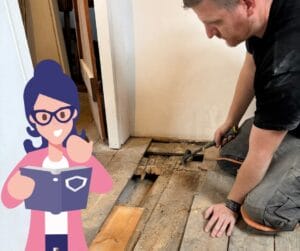
If your floor was installed by a reputable supplier or builder, the product spec may list the wear layer thickness. But if you’re not sure, or the paperwork’s long gone, a professional can often assess it visually, or by gently lifting a threshold strip to check the board’s profile.
At Art of Clean, we always carry out a pre-inspection to confirm wear layer depth before committing to any sanding. It’s part of our promise to protect your floor… not just treat it.
Can all engineered floors be sanded?
No, and that’s where many homeowners are caught off guard.
Some engineered boards look just like solid wood but have wear layers too thin for sanding. These may still benefit from a deep clean, buff, or re-coating… but aggressive sanding could shorten the life of the floor dramatically.
On the other hand, high-quality boards with 4mm or thicker layers respond beautifully to gentle sanding. They can be brought back to life with the right pressure, pad choice, and finish.
A proper assessment is key. What you don’t want is a company that rushes in without checking and removes more wood than your floor can afford to lose.
What happens if the wear layers on your engineered floor are too thin?
If an engineered wood floor is sanded without enough wear layer, you risk exposing the core board underneath. This layer isn’t designed for wear and won’t look like natural hardwood. Worse, you can end up with splintering, delamination, or patchy finishes that can’t be reversed.
Once the wear layer is gone, it’s gone. That’s why careful planning matters, especially for older floors where you might not know what’s underfoot.
At this stage, a professional team can advise on alternative restoration methods like buffing, deep cleaning, or re-coating. Sometimes, a light refresh can still make a big difference without the risk.
What’s involved in sanding engineered wood… when it’s safe to do?
If your floor is suitable for sanding, here’s what to expect from a skilled team:
- Dust-controlled sanding: Using modern systems to reduce mess
- Gentle approach: Especially for thinner wear layers
- Patch testing: On hidden sections to check finish response
- Custom finish options: From clear matt to rich oil tones
- Drying time guidance: So you can plan your space with confidence
The sanding itself is often quieter and quicker than people expect — but the preparation is everything. We take pride in setting expectations clearly and never sanding a floor unless we know it’s safe to do so.
How many times can engineered floors be sanded?
This depends entirely on your engineered wood floor’s wear layer and the quality of the previous sanding work.
A 3mm layer, sanded carefully, may allow for one full restoration. A 6mm layer may allow for two or even three over its lifetime. But if a previous sanding was overly aggressive, it could have removed more than necessary… reducing your future options.
At Art of Clean, we always sand to the minimum required depth. Less is more when it comes to preserving your floor for the long haul.
Is it worth sanding, or should I consider replacement?

In many cases, sanding is the smarter, more sustainable option.
A floor with even a modest wear layer can often be revitalised with gentle sanding, saving you the cost and disruption of a full replacement. And the results… smooth finish, rich tone, renewed surface… are often striking.
But if the wear layer is below 2mm or already breached, replacement may be the better investment. We’ll always give you a clear, honest opinion so you can decide without pressure.
Key Takeaways
- The wear layer is the top layer of real wood on engineered flooring.
- Thicker wear layers (3mm and up) can usually be sanded at least once.
- Thinner layers may only allow light buffing or re-oiling
- Knowing your floor type stops costly mistakes or over-sanding
- Professional sanding can restore beauty and extend lifespan, if done with care.
FAQs: Engineered Floor Wear Layers
Can I sand engineered wood floors myself?
We strongly advise against it. Even small sanding errors can damage the floor permanently. Professional teams use precise tools to protect every millimetre of the wear layer.
Is buffing the same as sanding?
No. Buffing smooths the finish without removing much wood. It can improve surface feel and shine… ideal for very thin wear layers that can’t be sanded.
Can oiled engineered floors be re-sanded?
Yes, but they often require careful handling. Oils soak into the wood, so sanding must remove all traces before reapplication. Always test finishes first.
How long does sanding take?
Most rooms are completed in a day, depending on size and complexity. We’ll walk you through timing and drying windows before starting.
Will I need to move all furniture?
Yes. The area needs to be fully clear to allow for even sanding and drying. We can advise on logistics during your quote.
Before you decide… let’s check your floor together.
If your engineered wood is showing wear, don’t guess… and don’t assume it can’t be helped. We’ll confirm what’s possible and explain your options calmly, clearly, and without pressure.
Explore our sanding service or get in touch for a professional floor check.
Let’s protect what’s already beautiful.
If your floors are beyond repair, we will always tell you the truth and our sister company, “Art of Flooring“, would be happy to help you!