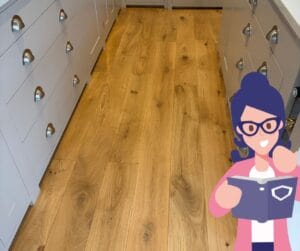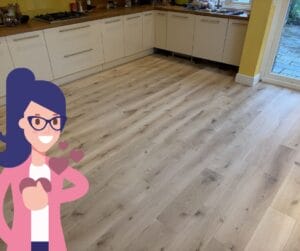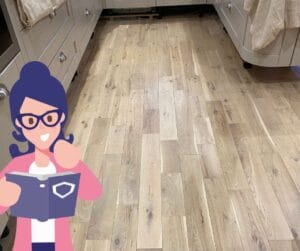
If you have ever stood in a half-finished room, paint tester patches on the wall, samples everywhere, and thought, “Why does this feel so hard?”, it is usually because flooring feels permanent in a way most choices do not. You can repaint a wall. You can swap a sofa. But a floor sits under every decision you make next.
And in 2026, people are not choosing wood flooring just to “update the look”. They are choosing it to make life feel easier, warmer, calmer, and more pulled together. They want a floor that takes the daily knocks without looking tired, and they want to stop worrying about the wrong finish, the wrong colour, or the wrong maintenance routine.
That is the shift. You are not buying a product… You are hiring your flooring to do a job.
This blog breaks down the real “jobs” UK homeowners are asking wood flooring to do in 2026, the trends that support those jobs, and how to choose something you will still feel good about next winter.
Key takeaways (save you time)
- In 2026, the best wood floors are chosen for the job they do, not just the look.
- Matte and satin finishes are popular because they are forgiving in real homes.
- Warm, natural tones are winning because they make spaces feel welcoming, not cold.
- Restoration is often the smartest route if you already have decent timber underfoot.
- The right finish is the one that fits your routine, not your ideal routine.
The real decision you are making (and why it matters)
Most people think they are deciding between oak vs walnut, engineered vs solid, matte vs satin.
But the real decision is usually this:
You want your home to feel better to live in, but you do not want a choice that creates extra work, extra noise, or extra regret.
That is why two homes can choose the same timber and have completely different outcomes. One chooses a finish that fits real life, and the floor quietly supports the family. The other chooses a finish for the showroom look and ends up managing the floor like it is fragile.
So before we get into trends, let’s ground this in what you actually want the floor to do.
The 6 “jobs” homeowners want wood flooring to do in 2026
1) Make the home feel warmer and more comfortable
Comfort is not just about the feel… it is also about the sound, temperature, and the mood of a room.
In 2026, comfort-led choices look like quieter finishes, less glare, and surfaces that feel calm rather than hard and echoey. That often means matte or satin rather than high shine, plus a bit more thought around rugs, underlay, and layout.
So you get a home that feels restful at 7pm, not just impressive at 2pm.
2) Hold up to real life without looking “ruined”
Durability is not “never scratch”. Real homes scratch. The job is to age gracefully.
Homeowners are leaning towards finishes that hide micro-marks and keep the floor looking consistent. It is a subtle shift, but it changes everything, because you stop living in fear of the first scuff.
So you can live normally, not carefully.
3) Look intentional, not trendy
Style is still a job, but the goal is “considered”, not “fashionable”.
People want floors that suit the architecture and the light in the home, and still look right when trends move on. In practice, this often means warmer natural tones, softer textures, and layouts that feel like a design choice rather than a default.
Your home looks “done” even when the rest of the renovation is still catching up.
4) Be easy to maintain in your actual routine
This is the big one. In 2026, homeowners are choosing floors that reduce friction.
That means being honest about how you live. If you are a quick-wipe household, a finish that needs careful products and frequent babying will annoy you. If you love the ritual of caring for natural materials, a more tactile, natural-looking finish might feel satisfying rather than stressful.
This is where your floor supports your routine instead of judging it.
5) Feel healthier and more sustainable
Sustainability is not just about labels… it is about waste, longevity, and indoor air quality.
For many homeowners, the most sustainable option is restoring what is already there, rather than ripping it out. Especially in older UK homes where original boards or parquet can be brought back to life, sanding and refinishing often delivers the “new floor feeling” without the landfill part.
You get the upgrade, without the guilt or the upheaval of replacement.
6) Protect value (and make the spend feel sensible)
Value is not only resale value, it is the feeling that you spent money wisely.
In 2026, people want clarity on what the price includes, how long the result should last, and what the refresh plan looks like. A floor feels like a good value when it still looks good after years, and when you know exactly how to maintain it.
You feel confident about what you have chosen, even if you are not a flooring expert.
2026 trends that actually match those jobs (not just “what’s in”)
The rise of low-gloss finishes
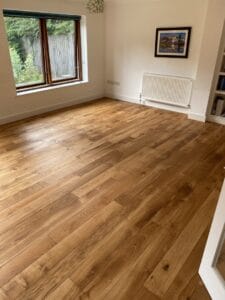
Matte and satin finishes are winning because they are forgiving. They reduce glare, they soften the look of a room, and they hide the tiny day-to-day marks that make floors look tired quickly.
This is not an aesthetic trend. It is a lifestyle trend.
If you are already thinking, “I want it to look beautiful, but I do not want to fuss”, you are exactly the person this suits.
Warmer, natural tones over cool greys
Cool greys had their era, but in many UK homes, they can feel a little flat, especially under warm lighting. In 2026, the movement is towards warmer, more natural tones that make a space feel inviting and lived-in.
This matters most in open-plan spaces and north-facing rooms, where the wrong tone can make the whole home feel colder than it is.
Pattern and direction as a “calm design” tool
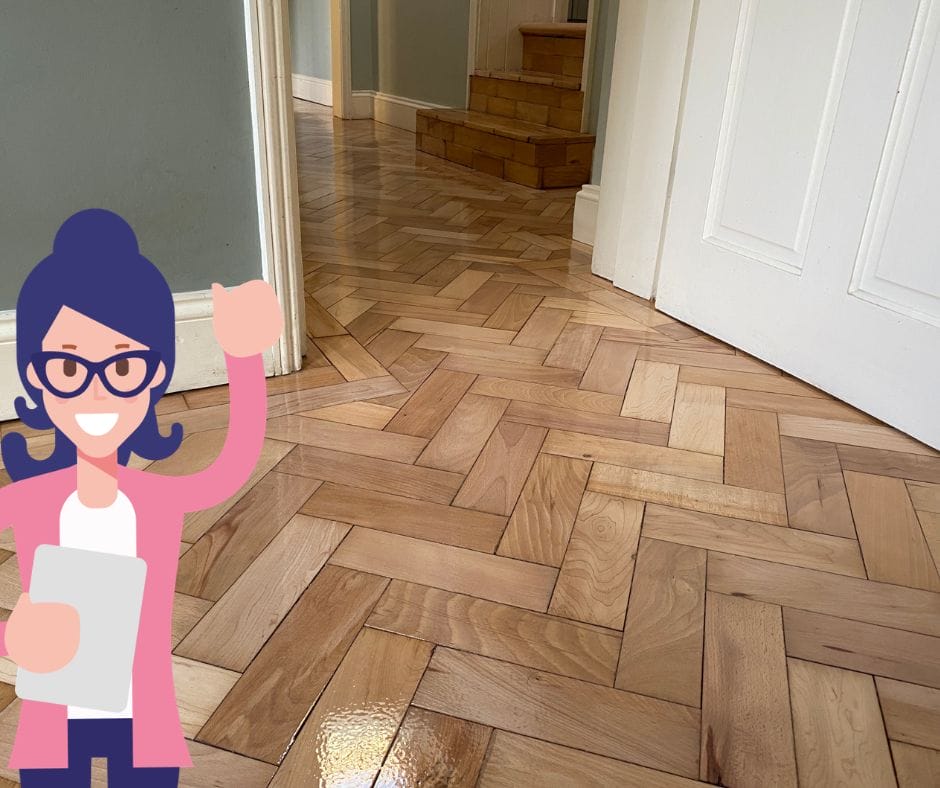
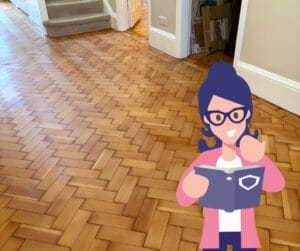
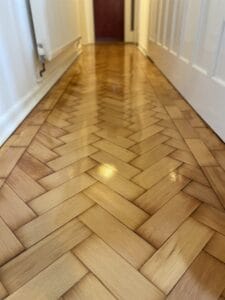
Herringbone and parquet are still popular, but the why is changing. People are using patterns to bring order to awkward spaces, guide flow through hallways, or add a sense of craft and intention.
The job it does is “make the space feel designed”, not “make the floor fancy”.
Restoration as the modern status quo
More homeowners are choosing to restore existing timber because it feels smart. It honours the home, reduces waste, and often costs less than replacement once you factor in removal, disposal, and the knock-on costs of skirting boards and thresholds.
If you are in Cambridge and sitting on decent boards, it is worth looking at what restoration could achieve before you decide to replace. You can see the service approach here: Floor sanding in Cambridge.
“Low drama” projects, dust control and realistic disruption planning
People want renovations to fit around life. That means clear expectations on dust management, room access, and drying and curing times.
If you are the kind of person who needs to plan around work calls, school runs, or pets, you want a team that explains the practicalities clearly, not just the finish options. The Cambridge team outlines their process and options on the main service page and supporting pages, which makes decision-making far less stressful.
How to choose the right flooring (or the right finish) without overthinking it
Step 1: Start with your “stress points”
Ask yourself what you are trying to stop from happening.
Is it the hallway that always looks grubby?
Is it the dining area that shows every chair scrape?
Is it the living room where the light catches every mark?
Your stress points tell you what job matters most. Then you choose the finish and maintenance level around that, not around a trend photo.
Step 2: Decide if you need new flooring or a reset on what you have
A lot of homeowners assume their floor needs replacing when what it needs is restoration.
If your boards are structurally sound but the surface looks dull, scratched, or patchy, sanding and refinishing can transform it. It can also allow you to change the tone of the room, from yellowed and tired to warm and modern.
If you want a quick idea of what that could cost, there is a page showing our different service levels that you can choose from.
Step 3: Choose the finish based on your life, not the sample board
Here is the simplest way to think about finishes in 2026.
If you want the lowest fuss day to day, you are usually choosing a robust sealed finish and an easy cleaning routine.
If you want a more natural, tactile look, and you like the idea of future refreshes and spot attention, you are usually choosing a more “wood-feel” finish.
The right answer depends on whether you want your floor to behave like a sealed surface or a natural material you can care for over time. Both can be excellent. The mistake is choosing a finish that fights your routine.
Step 4: Compare quotes like a calm grown-up, not a nervous consumer
If you are comparing options, keep it simple. Ask these three questions:
What prep and protection is included, including edges, thresholds, and any repairs?
What should I expect in the first year of living, including how it will wear and what maintenance is realistic?
If there is a small issue later, what happens, can it be adjusted, and how is that handled?
This is where trust lives. A good answer is specific, not vague, and it helps you feel in control.
Step 5: Use real examples to sanity-check your taste
If you are unsure whether you prefer warm, neutral, or more characterful timber, looking at real completed projects helps more than staring at sample boards.
A gallery is useful here because you can see whole rooms, not just perfect close-ups. You can browse examples on one of the website’s Gallery page.
If you are renovating or upgrading and you want a decision you will not regret, the easiest next step is not “pick a colour”.
It is to narrow down what job matters most to you, then match the finish and restoration approach to that job.
If you are local and want a straightforward chat, you can use the Contact Us page here. No pressure, just the kind of conversation that helps you feel clear on what is possible in your home.
FAQs
Is sanding and refinishing worth it, or should I replace the floor?
If the boards are sound, refinishing is often worth it because you get the “new floor feeling” without the upheaval of replacement. The best way to know is to assess the condition, thickness, and any repairs needed.
What finish is best for kids and pets?
Most families do well with a finish that is forgiving and easy to clean. The key is choosing a finish that will not show every micro-mark, and then using a simple, consistent cleaning routine.
Will my home be full of dust if I have the floors sanded?
Modern sanding setups are designed to control dust far better than older methods, but it is still a building project, so you want clear expectations on protection, room access, and clean-up.
How do I know if my engineered wood floor can be sanded?
It depends on the wear layer thickness and the current condition. An on-site look is usually the safest way to confirm what is possible.
Where can I see pricing, and what is included?
This pricing blog sets out typical options and add-ons clearly.