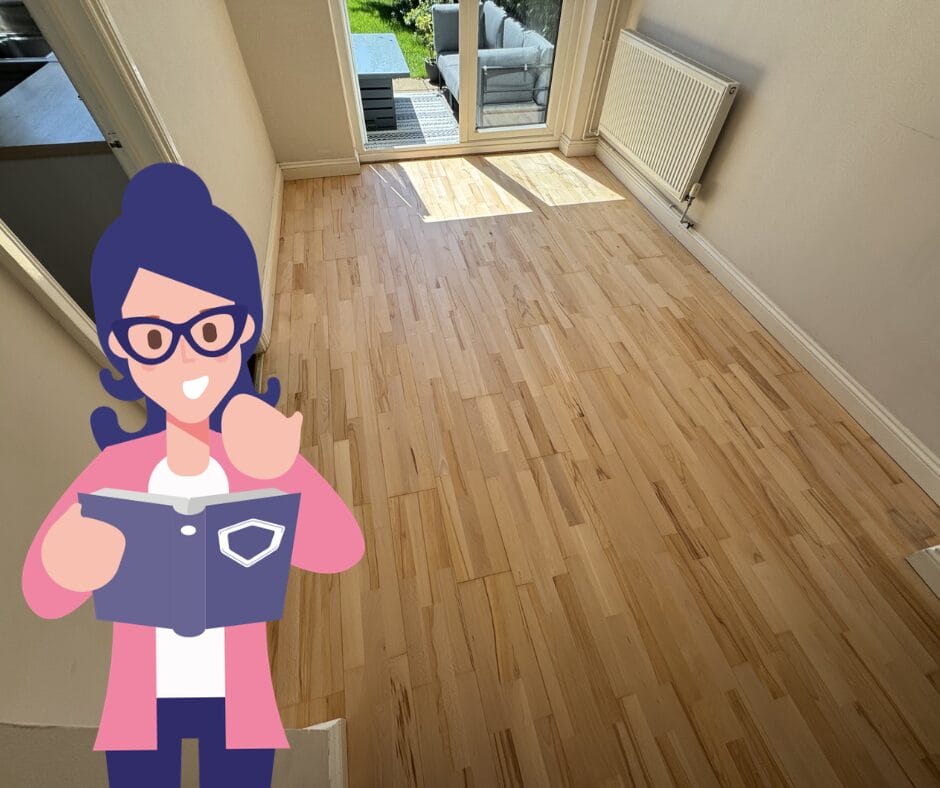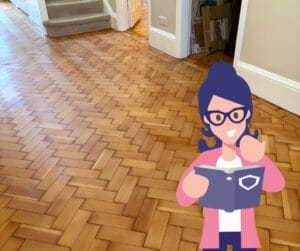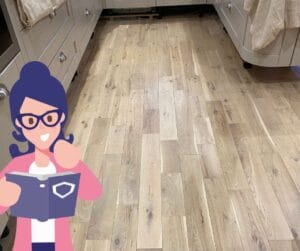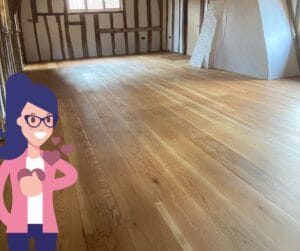
It can be frustrating when you mop a wooden floor, and it still looks dull, grey, patchy or dirty afterwards.
You may clean it again, try a stronger product, or use more water, only to find that the floor still does not look clean. In some homes, the problem is not ordinary dirt. The protective finish on the wood may have worn thin or failed, which allows moisture, cleaning products, and soil to affect the wood more easily.
That does not always mean the floor is ruined. It does mean the floor may need assessing before more cleaning is tried.
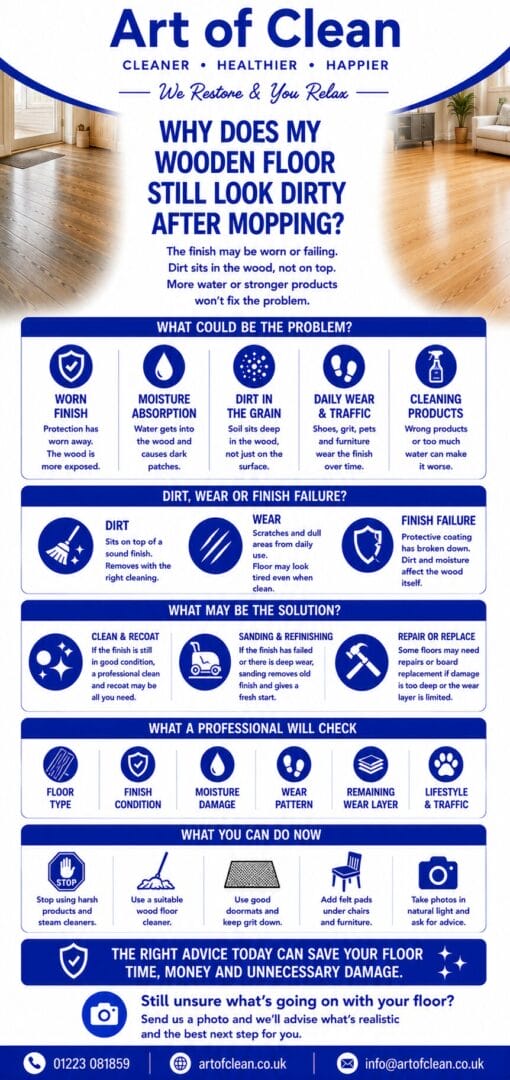
Why mopping does not always fix a dull wooden floor
A wooden floor relies on its finish for protection. That finish may be lacquer, oil, hardwax oil or another system, depending on how the floor was originally treated.
When the finish is in good condition, dirt usually sits on top and can be removed with suitable cleaning. When the finish has worn away, especially in busy areas, the wood can become more open and vulnerable. Dirt can sit in the grain, moisture can darken the timber, and cleaning products can leave the floor looking worse rather than better.
This is why a floor can feel as if it is “never clean”, even after regular mopping.
Robby often sees this on tired wooden floors. The wood itself may not be beyond saving, but the protective surface has worn enough that normal cleaning can no longer do the job it used to do. The right answer may be cleaning, recoating, sanding, or, in some cases, replacement. It depends on the floor and its condition.
Signs that the finish may be worn
A floor with a worn or failing finish often has a few tell-tale signs.
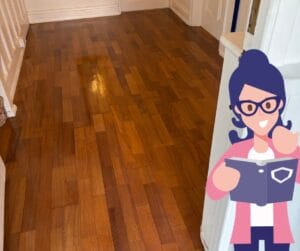
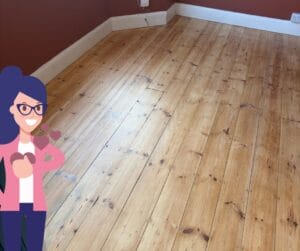
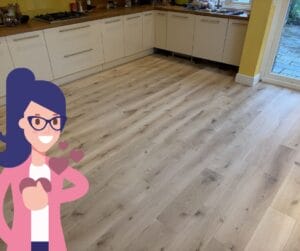
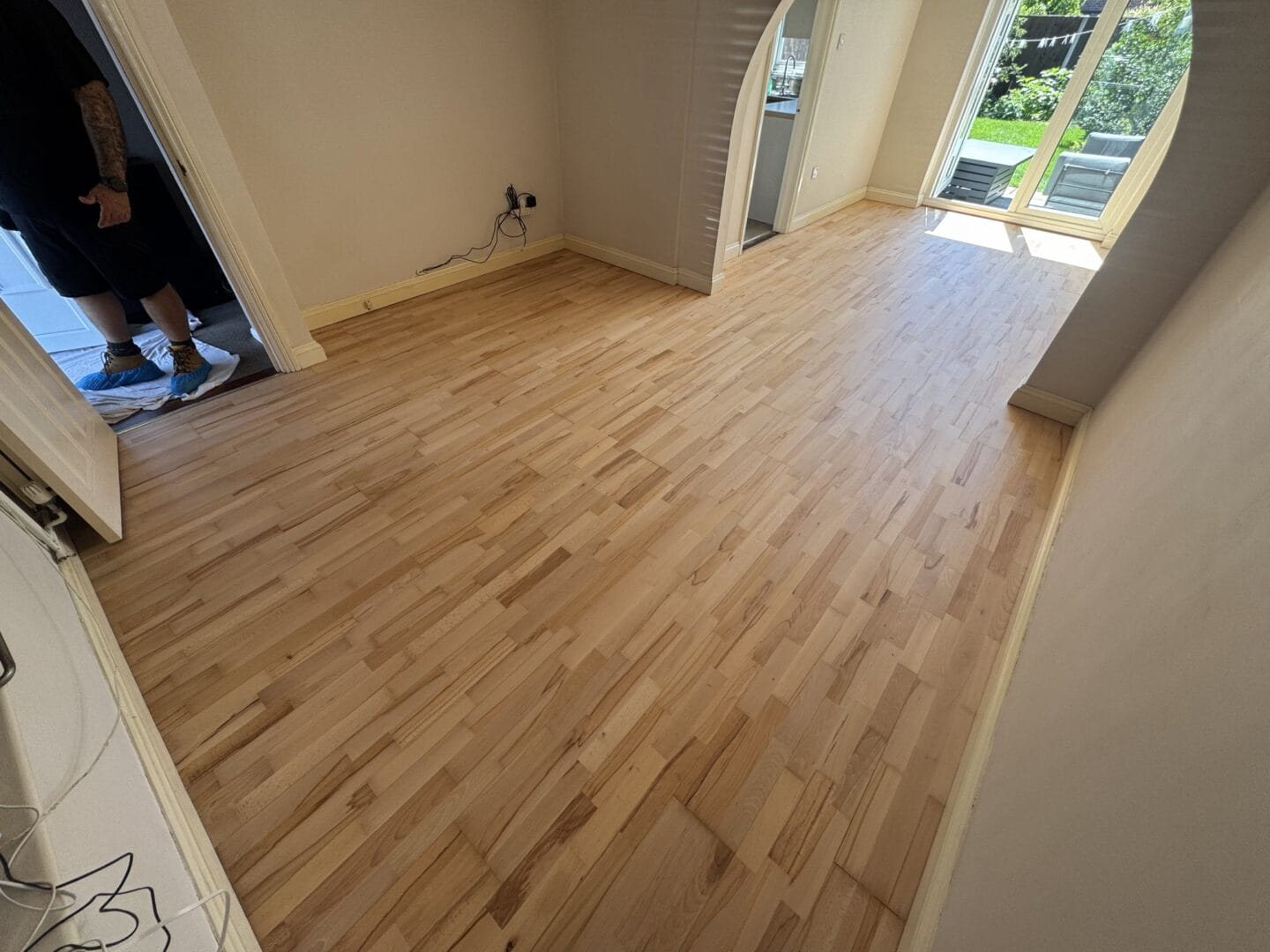
You may notice grey or dark patches in walkways, around doors, near kitchens, under chairs, or where pets often travel. The floor may look dull even after cleaning. Water may leave a darker mark quickly. Some areas may feel rougher than the rest of the floor. You may also see scratches, pale, worn patches, or dirt that seems to sit inside the timber rather than on the surface.
Busy homes often show this first in hallways, kitchens, dining areas and entrances. These areas collect grit, moisture and daily wear. Once the finish has worn thin, mopping can keep adding moisture to a floor that no longer has enough protection.
Why can more water make the problem worse?
It is natural to think that a dirtier-looking floor needs a wetter mop or a stronger cleaning. With wood, you’re just going to cause more problems.
If the finish is missing or damaged, wet mopping can push moisture into the wood. That may darken the timber, raise the grain, worsen patchiness or make old marks more obvious. Steam cleaners are also risky on wooden floors because heat and moisture can affect the finish and the wood beneath, especially where the surface is already worn.
A safer first step is to stop using anything harsh, avoid steam cleaning, avoid soaking the floor, and use only a suitable wood floor cleaner, correctly diluted. If the floor still looks dirty after that, it is time to ask whether the issue is really dirt.
Dirt, wear or finish failure?
This is the useful difference to understand.
Dirt sits on top of a sound finish. It should usually improve with the right cleaning.
Wear is physical damage to the surface from shoes, grit, chairs, pets and daily use. It may look dull or scratched even when the floor is clean.
Finish failure happens when the protective coating has broken down or worn away. Once that happens, the timber underneath is more exposed.
A floor can have all three at once. For example, a hallway may have surface dirt, fine scratches from grit and a worn finish where the household walks every day. Mopping may remove some soil, but it cannot rebuild the missing protective layer.
When a clean and recoat may be enough
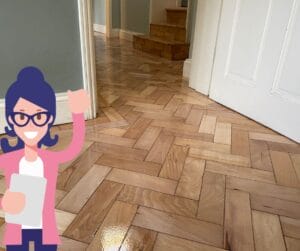
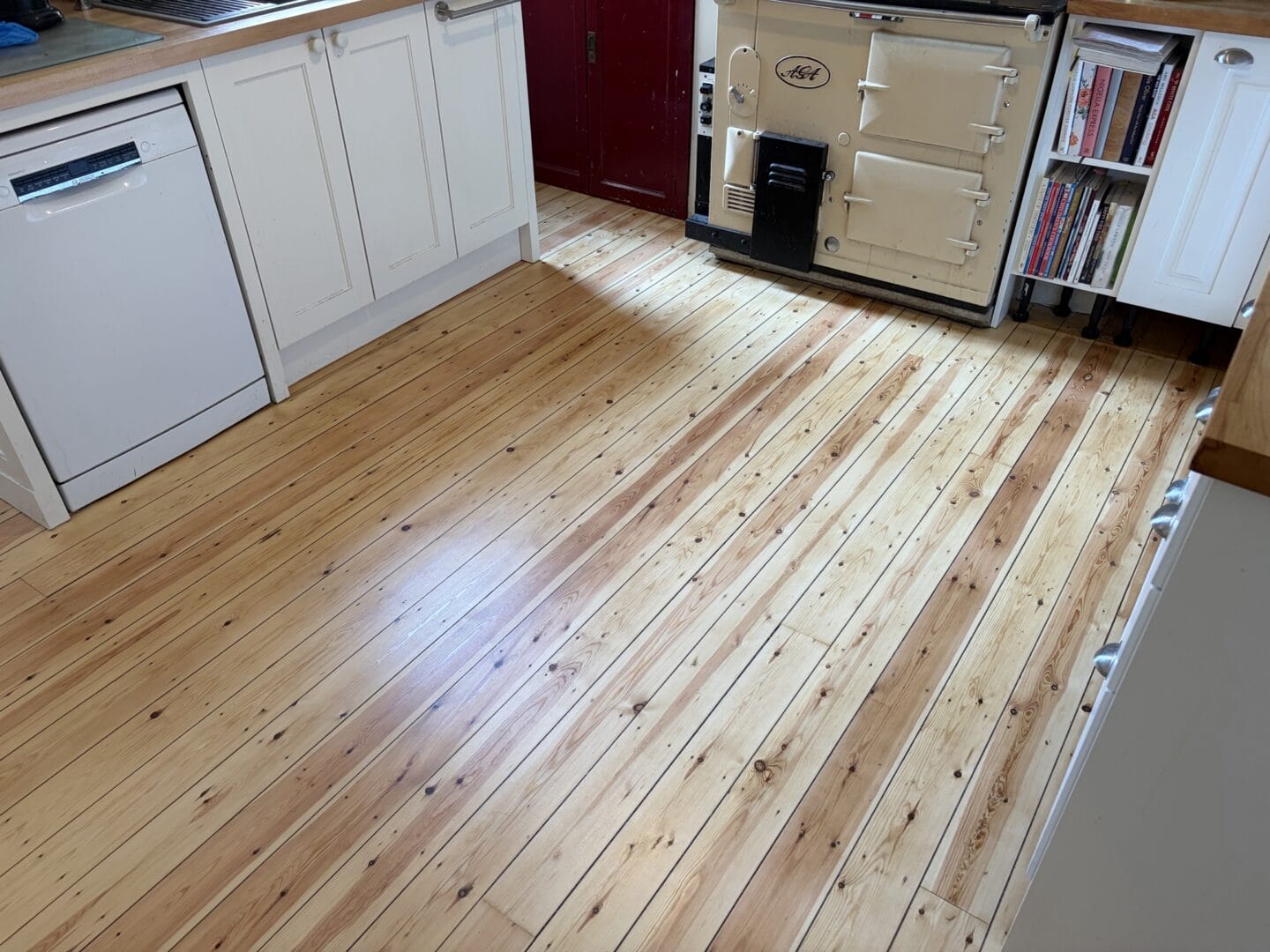
Sometimes a wooden floor does not need full sanding. If the existing finish is still present and stable, a professional clean and recoat may be suitable. This can refresh the surface and add protection without taking the floor back to bare wood.
The important word is “suitable”. A recoat needs a finish that is still in good enough condition to accept it. If the finish has worn through in places, or if there are deep scratches, bare wood, dark water marks or product damage, recoating may seal those problems in rather than solve them.
That is why assessment matters. A good professional should look at the type of floor, the finish, the wear pattern, any moisture damage, and whether the floor is solid or engineered before recommending the next step.
When sanding may be needed
Sanding may be needed when the finish has failed, the floor has deep wear, or the timber has become marked beneath the surface.
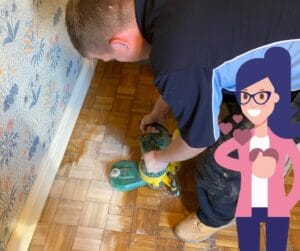
Sanding removes the old, worn finish and gives the floor a fresh surface before a new finish is applied. It can make a tired floor look much cleaner and more even, but it should not be treated as the answer to every floor.
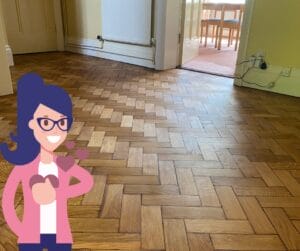
Engineered wood needs particular care because the top wear layer may be limited. Not every engineered floor can be safely sanded. Older boards, pine floors, parquet, dark stains, previous treatments and water damage also need proper judgement before anyone promises a result.
The aim is not to sell sanding automatically. The aim is to work out what the floor can sensibly take, what result is realistic, and which finish will suit the way the room is used.
What a professional will usually check…
Before advising on cleaning, recoating or sanding, the floor should be looked at carefully. The checks may include the floor construction, remaining wear layer, signs of water damage, old finish condition, scratches, gaps, damaged boards, household use, pets, traffic routes and previous cleaning products.
This matters because two floors can look similar but need different answers. A lightly dulled floor may need a suitable cleaning and maintenance coat. A heavily worn kitchen floor may need sanding and a more durable finish. An engineered floor with a limited wear layer may need a more cautious plan.
Craig’s review themes also show that clients value a clear explanation before work starts. People want to know what can be improved, what may not fully disappear, how much disruption to expect, and how to look after the result afterwards.
What to do now if your floor still looks dirty
First, pause before adding stronger products. Avoid steam cleaning, bleach, abrasive pads, vinegar mixtures or repeated wet mopping. These can make the floor harder to restore if the finish is already weak.
Use a dry or only lightly damp approach with a cleaner made for wooden floors, if you know it suits your finish. Wipe spills promptly. Keep grit down with good entrance matting. Felt pads under chairs and furniture can also reduce future scratching.
If the floor still looks dull, grey, patchy or dirty after sensible cleaning, take a few photos in natural light and ask for advice. Try to include close-ups of the worn areas and a wider photo of the whole room. It also helps to say what products have been used and whether the floor is solid wood or engineered, if you know.
The honest answer
A wooden floor that still looks dirty after mopping may not be dirty in the normal sense. The finish may have worn through, allowing dirt, moisture and cleaning products to affect the wood itself.
Sometimes the floor can be cleaned and recoated. Sometimes, wood floor sanding and refinishing is the better route. Sometimes the floor needs repair, board replacement or a more careful discussion before work starts.
The safest next step is not to keep mopping harder. It is to find out whether the floor is dirty, worn, or no longer properly protected.
If your wooden floor in Cambridge or the surrounding area still looks dull or dirty after cleaning, we can take a look and explain what is realistic before you decide what to do next.
FAQs
Why does my wooden floor still look dirty after I mop it?
It may not be ordinary dirt. If the protective finish has worn thin, moisture and soil can start to sit in or affect the wood itself. Mopping may remove surface dirt, but it cannot repair a worn finish.
Should I use a stronger cleaner if my wood floor still looks dull?
Usually, no. Stronger products, too much water, vinegar mixtures, abrasive pads or steam cleaning can make a worn wooden floor worse. It is safer to pause and ask for advice before trying harsher cleaning methods.
Can a dirty-looking wooden floor be cleaned instead of sanded?
Sometimes, yes. If the finish is still stable, a professional clean and recoat may be suitable. If the finish has worn through, or there are deep scratches, grey patches or water marks, sanding and refinishing may be the better option.
How do I know if my wooden floor needs sanding?
Common signs include dull walkways, grey or dark patches, scratches that hold dirt, rough areas, water marking, or a floor that still looks dirty after sensible cleaning. The best next step is an assessment so the floor can be checked before any treatment is recommended.