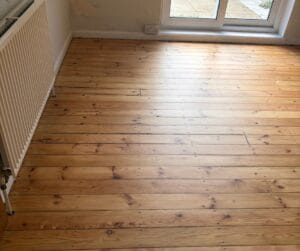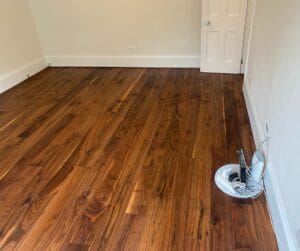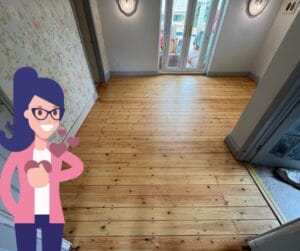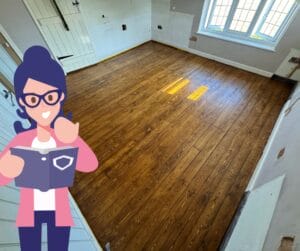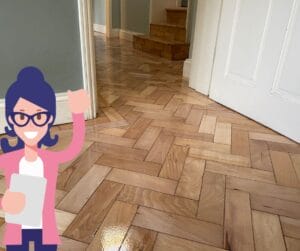
If you own an older property in Saffron Walden, you may have wooden floorboards that have been part of the house for generations.
Perhaps they have been hidden beneath carpet, covered with layers of varnish or simply become worn through years of everyday use.
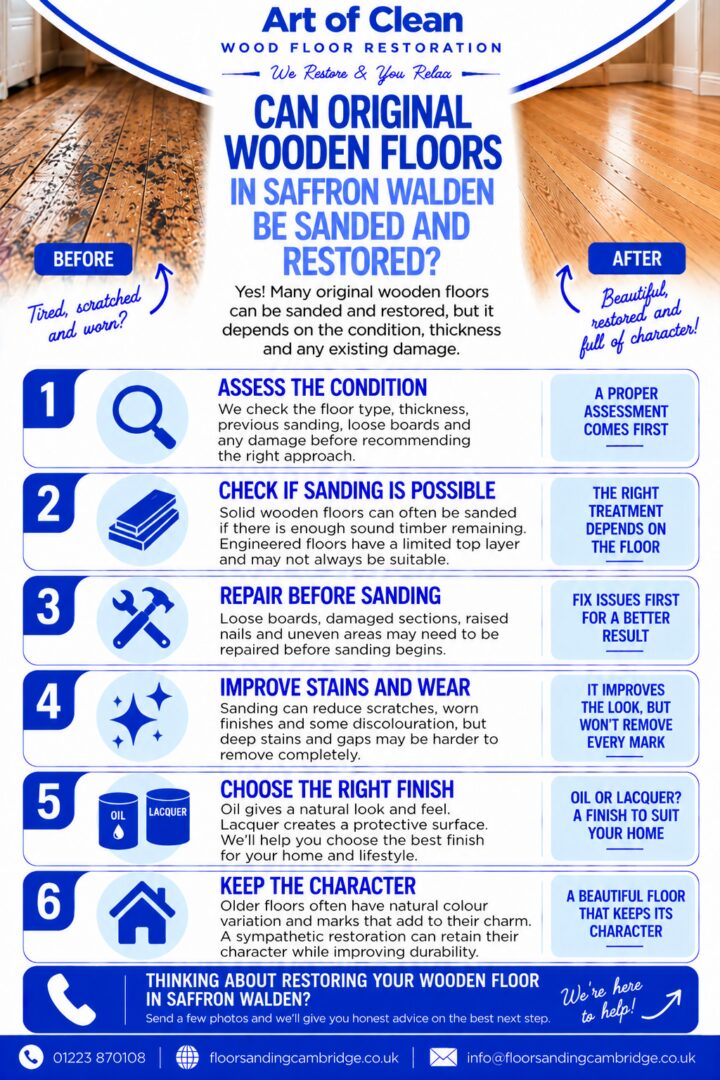
The good news is that many original wooden floors can be sanded and restored.
However, age alone does not tell us whether a floor is suitable.
Before work begins, consider board thickness, previous sanding, loose timber, and any existing damage.
For some floors, sanding can reveal beautiful natural timber. For others, careful repairs or a less intensive treatment may be the better approach.
Why older wooden floors need a little more care
Saffron Walden is well known for its historic buildings and attractive older homes.
From period properties in the town centre to traditional houses in the surrounding area, wooden floors can be an important part of a property’s character.
But original floorboards have often had a long working life.
They may have been sanded previously, repaired using different timber or covered with carpets for many years.
Some boards may have gaps, uneven surfaces, old nail holes or marks left by furniture and everyday use.
These features do not necessarily mean the floor is beyond restoration.
In fact, some homeowners prefer to retain the natural marks and variations that give an older wooden floor its character.
The key is knowing which imperfections can be improved and which are better left alone.
How can you tell if original floorboards can be sanded?
Before recommending sanding, a professional should assess the construction and condition of the floor.
One of the most important considerations is how much usable timber remains.
-
The thickness of the floorboards
Every time a wooden floor is sanded, a small amount of timber is removed.
Solid wooden floorboards can often be sanded more than once, provided they have enough sound timber remaining.
However, an older floor sanded several times may have less material available than it first appears.
A professional will also consider the position of nails, fixings, grooves and joints before deciding how much sanding is safe.
If too much timber has already been removed, further sanding may weaken the boards or expose their fixings.
This is why the assessment matters more than the age of the floor itself.
-
Evidence of previous sanding
An original floor may not retain its original surface.
Previous homeowners may have sanded the boards, applied different finishes or attempted repairs over the years.
You might notice areas that appear unusually thin, uneven edges or old sanding marks.
These can suggest previous work, although they do not confirm how much timber has been removed.
If the boards are still sound, you may be able to do another careful sanding.
Where the remaining thickness is limited, a less invasive treatment or local repair may be more suitable.
-
Loose, damaged or uneven boards
Older wooden floors sometimes develop movement as the property ages and the timber responds to changes in moisture and temperature.
A board may creak, lift slightly or feel loose underfoot.
Sanding alone will not correct these issues.
Loose boards may need securing, damaged sections may need repairing, and raised fixings must be addressed before you use sanding equipment.
Some floors will also contain timber replaced at different times.
A newer pine board alongside much older timber may look noticeably lighter once both are sanded and finished.
Although colour differences can sometimes be reduced, don’t expect a perfect match.
The aim is to create a sound, attractive floor while retaining as much of its character as reasonably possible.
What about old stains, gaps and signs of wear?
One of the most common questions about older wooden floors is whether sanding will remove all the marks.
The answer depends on how deeply the marks have affected the wood.
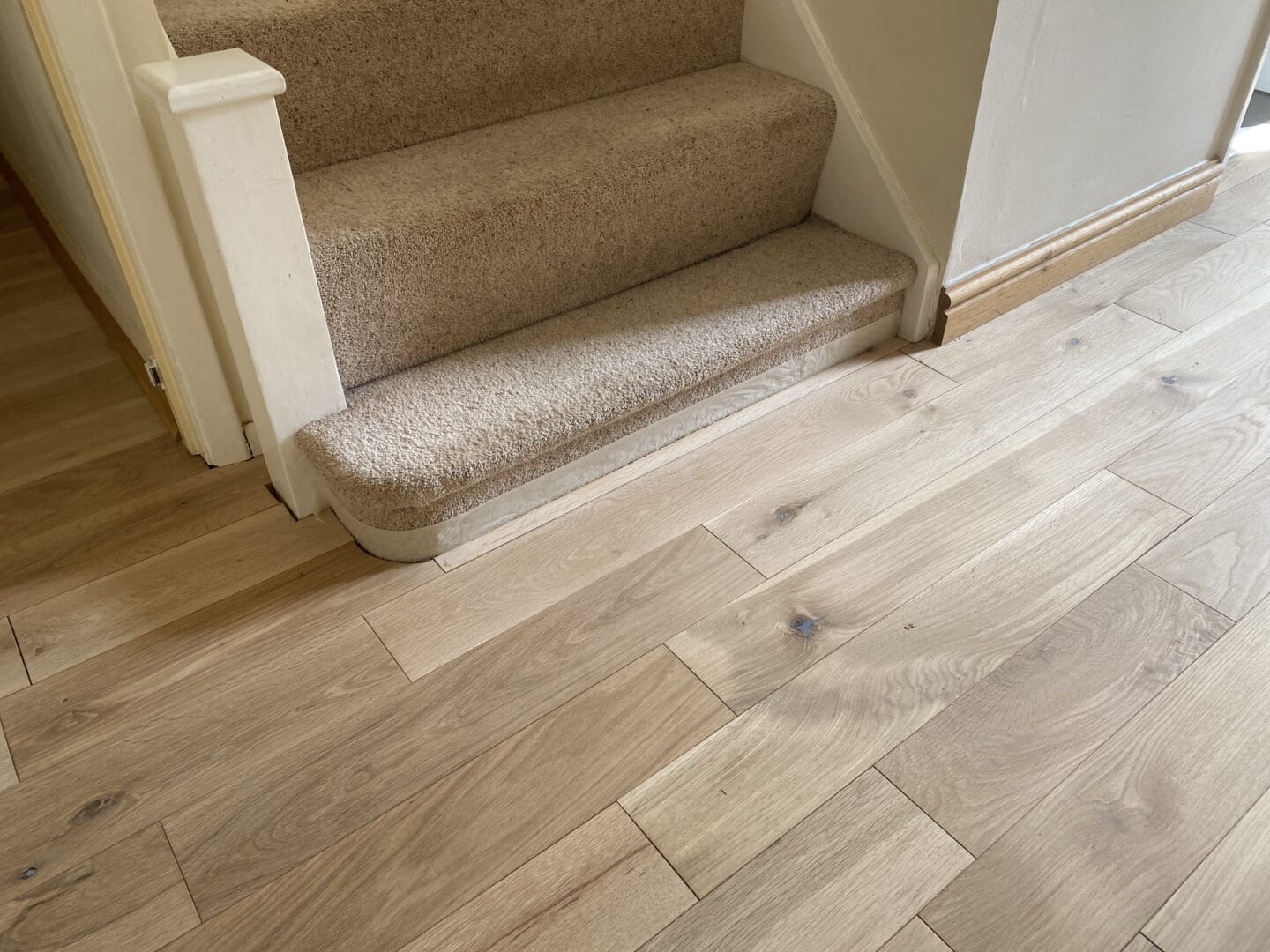
Sanding can improve surface scratches, worn coatings, and some shallow discolouration.
Deep water stains, dark marks around old fixings and staining that has penetrated the timber can be more difficult.
Removing them completely might require taking away more wood than is sensible.
Gaps are another consideration.
Traditional floorboards can expand and contract as conditions change throughout the year.
Some gaps may be suitable for filling, but filling every space is not always the best solution, particularly where the boards continue to move.
A professional assessment should help distinguish between normal character, cosmetic wear and problems that need attention before restoration.
Should you preserve the character of an original floor?
For many homeowners in Saffron Walden, restoring an original wooden floor is about more than making it look new.
Older timber often has natural colour variation, small imperfections and signs of its history.
Sanding too aggressively in an attempt to remove every mark can take away some of that character.
A sympathetic restoration may involve repairing damaged areas, sanding carefully where appropriate and choosing a finish that complements the timber.
It is also important to recognise that not every historic floor should be sanded.
Particularly old, unusual or historically significant surfaces may need a conservation-led approach instead.
If your property is listed, check whether the proposed work requires listed building consent before making alterations that could affect its special historic character.
Choosing a finish for restored wooden floorboards
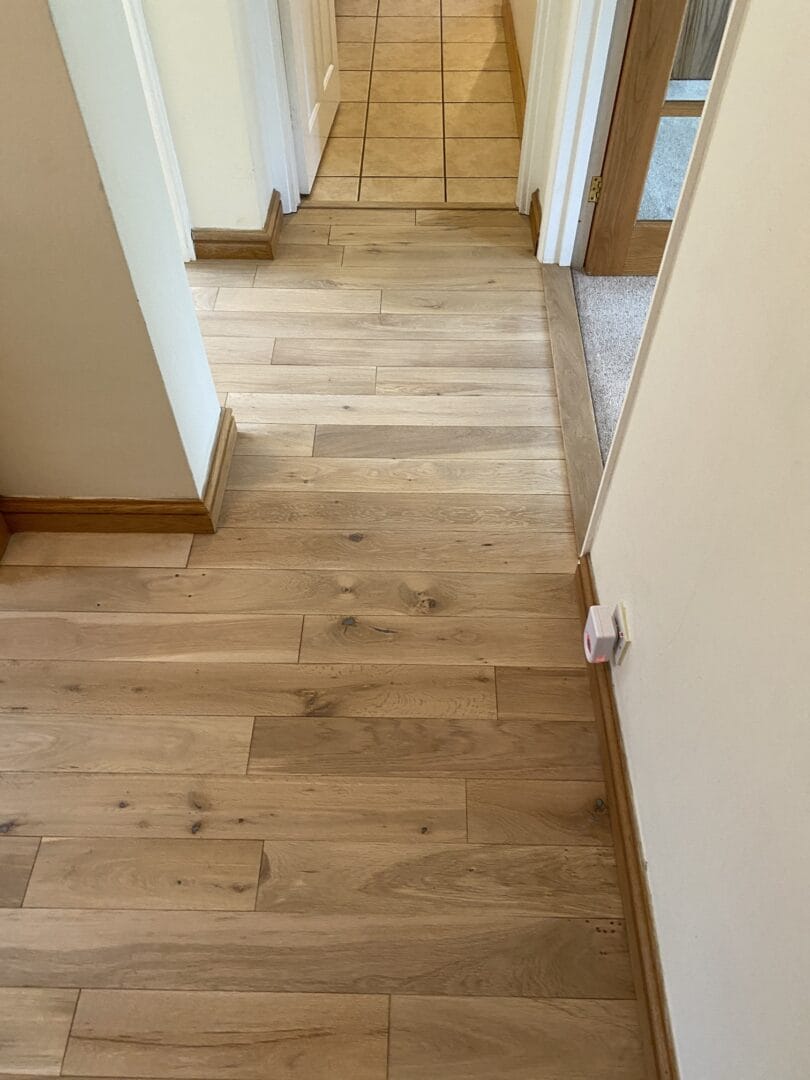
Once a floor has been assessed and prepared, the next decision is how to protect it.
Two common choices are oil and lacquer.
An oiled finish provides a natural look that highlights the grain & texture of the timber, the product and condition of the floor, and local maintenance may also be possible.
A lacquered finish creates a protective coating over the surface. It can be a practical choice for regularly used rooms, although the appearance, maintenance requirements and future repair options depend on the particular finish.
Neither option is automatically right for every older property.
A busy family hallway may have different needs from a lightly used bedroom.
The type of timber, existing colour and the homeowner’s preferences should all influence the recommendation.
Older pine boards can also change noticeably in appearance once sanded and finished, so it is worth discussing colour expectations beforehand.
When might sanding not be the right option?
Although restoration can be worthwhile, full sanding may not be sensible in some cases.
If boards have become too thin, are significantly deteriorated, or need extensive structural repairs, another approach may be safer.
Likewise, a floor with a reasonably sound protective finish may benefit from professional cleaning and recoating rather than complete sanding.
Where damage is extensive, it may be worth comparing the cost and practicality of repairs with replacing some or all of the flooring.
Good advice should help you understand these options rather than assume that sanding is always the answer.
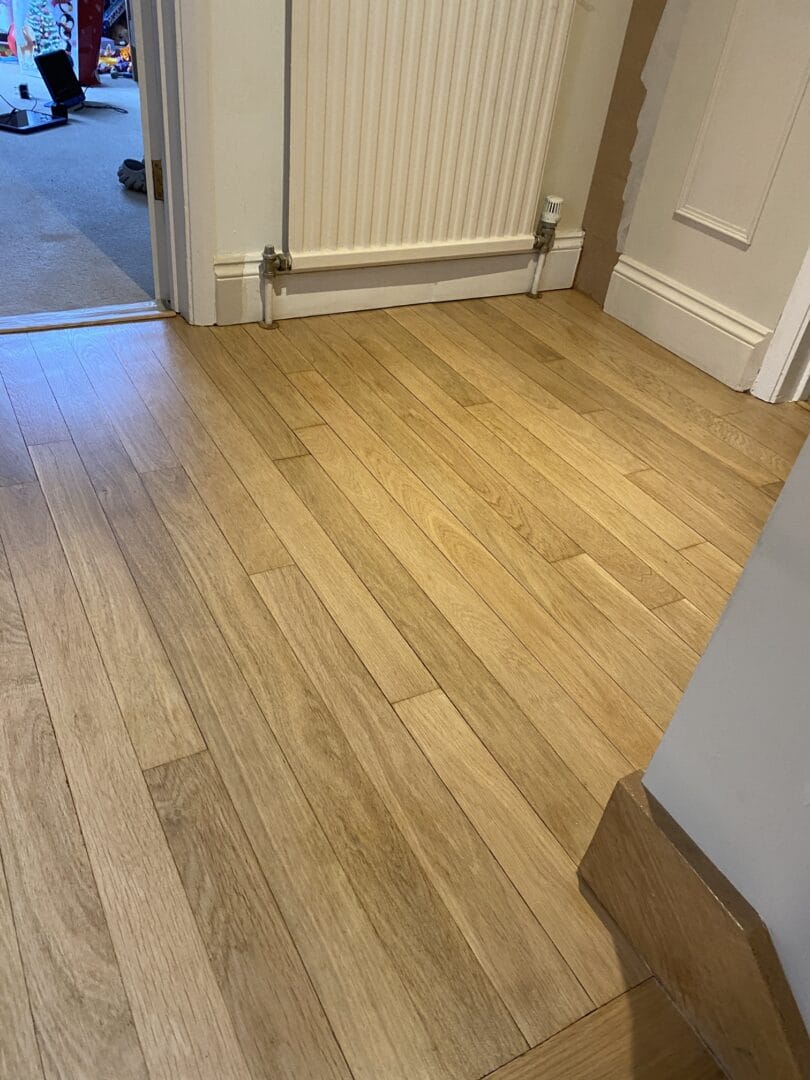
Thinking about restoring wooden floors in Saffron Walden?
Original floorboards can bring warmth and character to a home, and many are worth keeping where their condition allows.
The key is understanding what you have before deciding what work is needed.
At Floor Sanding Cambridge, we assess the timber’s condition, the existing finish, signs of previous sanding, and any repairs needed before recommending a suitable approach.
If you have an older wooden floor in Saffron Walden and are unsure whether it can be restored, you can explore our floor sanding and restoration services or get in touch to discuss the floor and what you would like to achieve.
Sometimes the best result comes from a full restoration.
Sometimes a smaller repair or maintenance treatment is all that is needed.
What matters is making the right decision for the floor in your home.