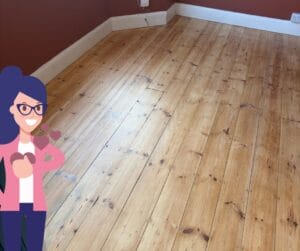
Floor sanding can make a tired wooden floor feel like part of the home again, but it goes more smoothly when you sort a few practical things before the sanding starts.
For many Huntingdon homeowners, the worry is not only the finished floor.
It is the disruption.
What happens to the furniture?
How much dust will there be?
Can you walk on the floor afterwards?
Should decorating happen before or after sanding?
What if the boards are loose, stained or damaged once the room is cleared?
A good floor sanding job starts before the machines arrive. It starts with checking the floor, understanding the room and planning the work in the right order.
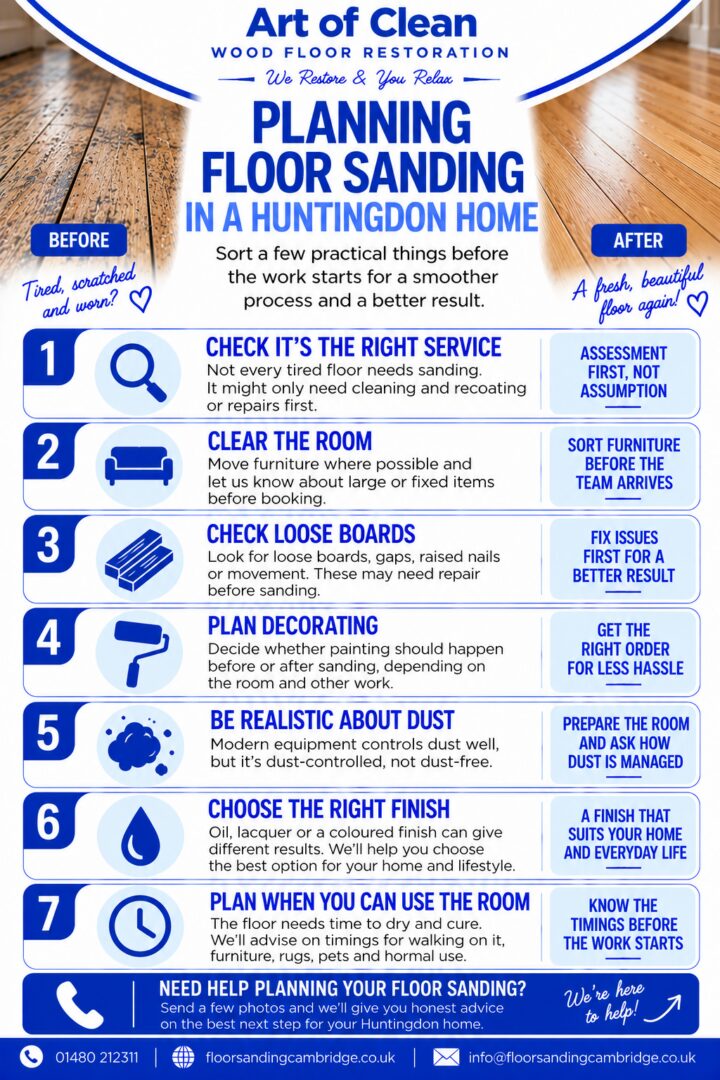
First, make sure sanding is the right service.
Not every tired wooden floor needs full sanding.
Sometimes the finish is worn, but the timber underneath is still in reasonable condition.
Sometimes the floor needs cleaning and recoating.
Sometimes it needs repair before sanding. In other cases, the boards may be too thin, unstable or damaged for sanding to be the best route.
That is why the first step should be assessment, not assumption.
The useful question is not simply “can you sand it?” It is “what does this floor actually need?”
If your floor still looks dirty after mopping, the problem may be worn finish rather than normal surface dirt.
This guide may help before you decide: Why does my wooden floor still look dirty after mopping?
Clear the room properly where possible.
Furniture is one of the biggest practical issues with floor sanding.
The room needs enough clear space for sanding equipment, edging work and finishing.
Heavy furniture, fixed units, awkward wardrobes and large sofas can all affect how the job is planned.
If furniture cannot be moved, say so before the work is booked.
It may change the preparation needed, the areas that can be reached or the way the job is scheduled.
Do not leave furniture planning until the morning of the job.
It is much easier to solve access problems before the team arrives.
If you are unsure what needs moving, send photos when you enquire. That gives the team a clearer idea of the room, the floor and any awkward items.
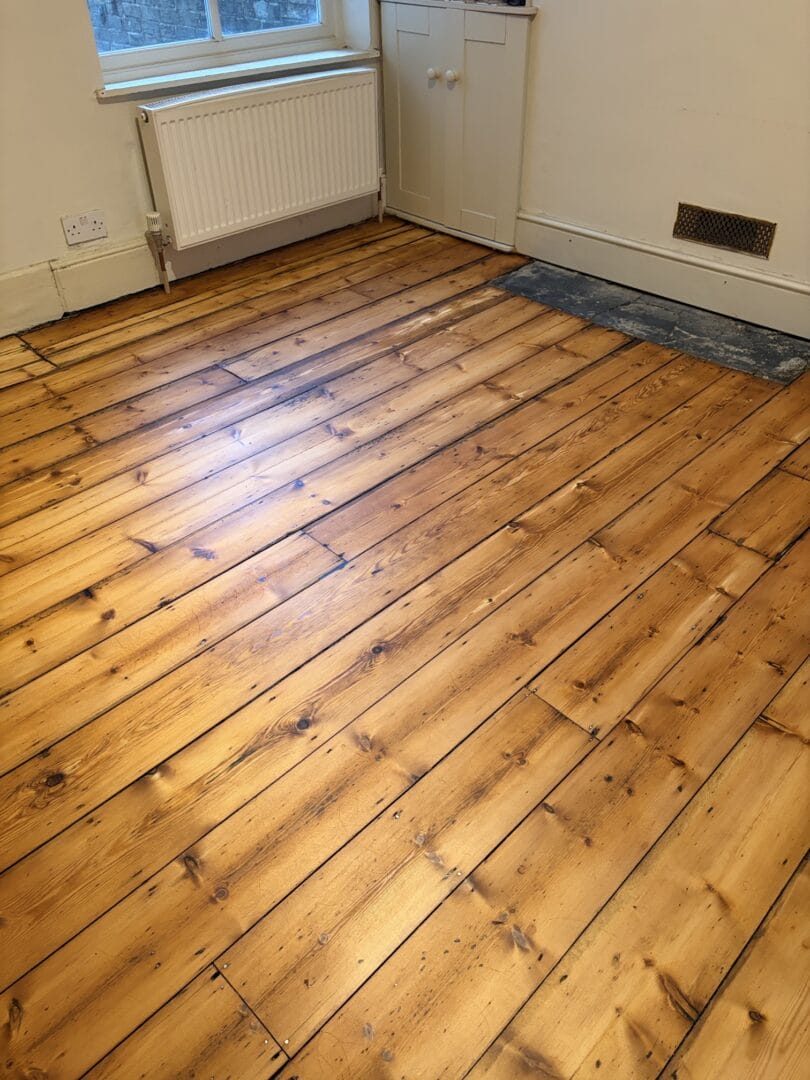
Check loose boards before sanding.
Check loose boards, raised nails, movement, and squeaks before sanding begins.
Do not use a sanding machine to flatten or force a poor floor into shape.
Some boards may need securing. Some damaged sections may need repair or replacement. Gaps may need careful discussion, because timber naturally expands and contracts as moisture and temperature change.
If a floor moves underfoot, the movement needs attention before the floor is treated as a cosmetic sanding job.
For more on seasonal movement and gaps, read: How do I fill the gaps appearing on my wood floor?
Think about the order of decorating.
If you are redecorating the room, the order of work matters.
Painting first can be sensible in some cases because walls and ceilings can create mess. But if decorators are still using ladders, moving tools or carrying materials across a newly finished floor, the fresh surface may be put at risk.
Sanding first can also cause problems if later building or decorating work creates dust, plaster marks or accidental damage.
The best order depends on the room and the other trades involved. If you are planning a bigger project, ask before booking the floor work. A short conversation can prevent frustration later.
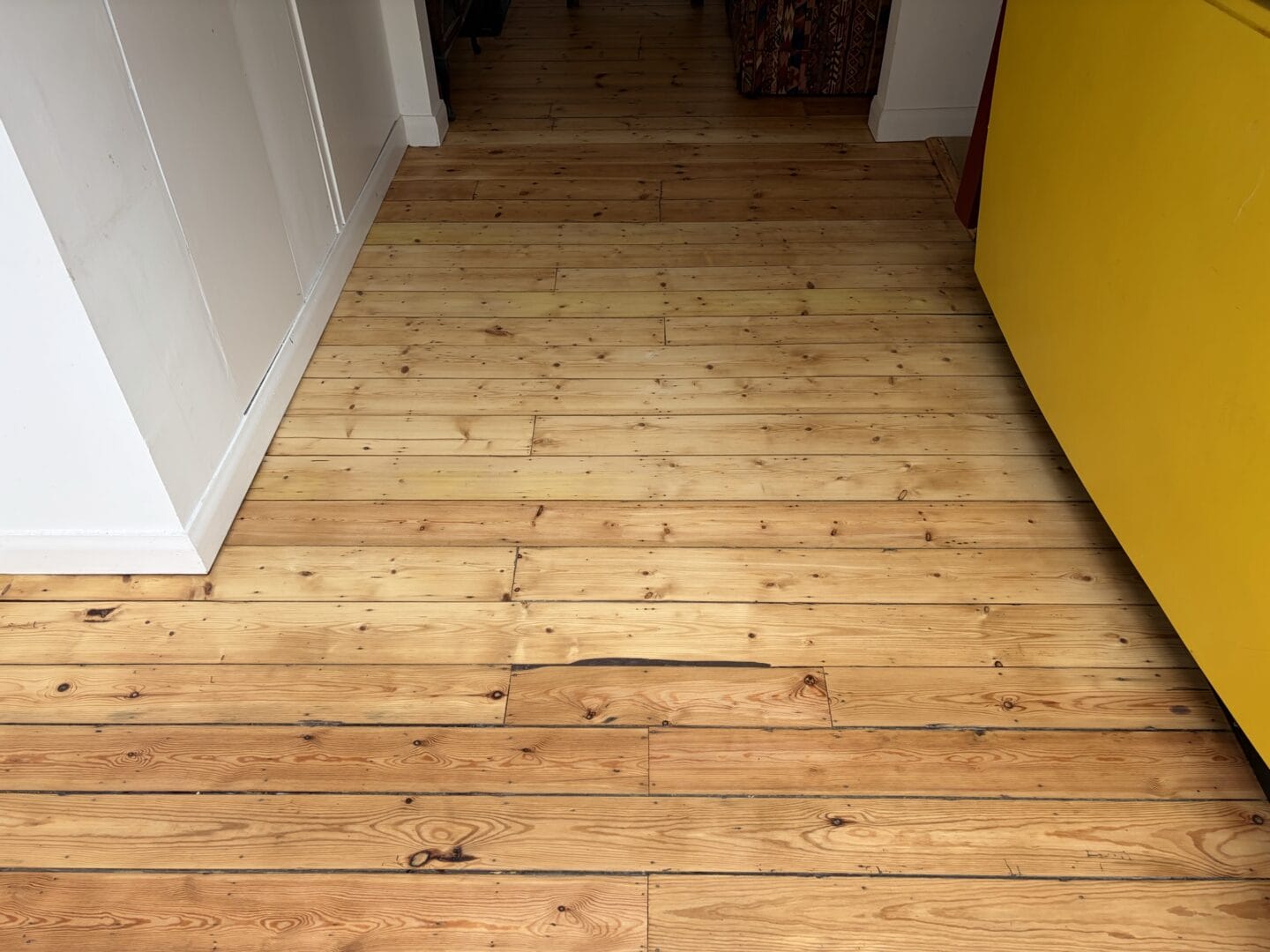
Be realistic about dust.
Modern professional sanding equipment can control dust far better than older methods, but it is safer to think in terms of dust-controlled, not dust-free.
Most of the sanding dust should be captured by the equipment, but edges, corners and detailed areas can still create fine residue. Prepare the room sensibly, and don’t leave nearby items exposed if they are delicate or hard to clean.
If dust is one of your main concerns, ask how the process is managed before the work starts.
This related guide explains the point in more detail: Can wood floor sanding be dust-free?
Decide what finish you want from the room.
The finish is not just the final coat. It changes how the floor looks, feels and wears.
Oil, lacquer and coloured finishes can give different results. Some homeowners want the floor to look natural and warm. Others want a more practical finish for a busy hallway, kitchen or family room. Some want to keep the age and character of the timber visible, while others hope for a cleaner, more even appearance.
Finish choice should match the floor, the room and how the space is used.
If you are choosing between finish types, this article is a useful starting point: What’s the difference between oil and lacquer?
Understand that colour can be hard to promise.
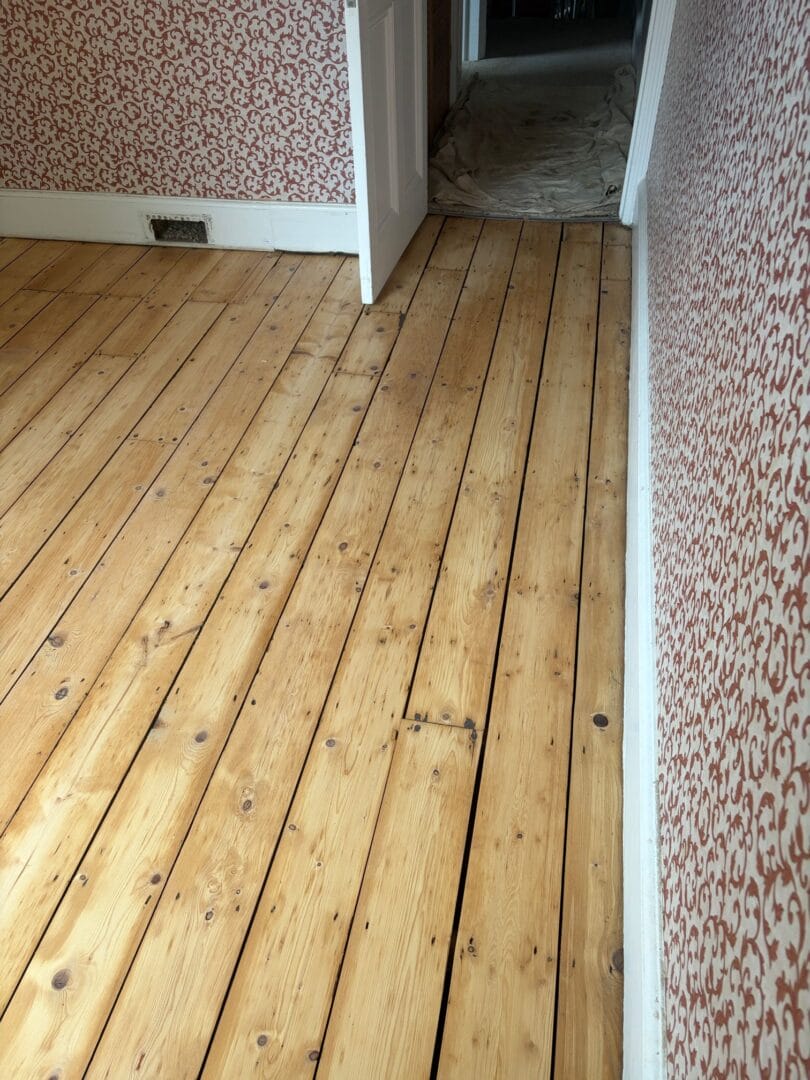
Wood is a natural material, and old floors do not always take colour evenly. Previous staining, sunlight, water marks, pet damage, old coatings, repairs and different boards can all affect the final look.
A sample area can help, but it is still not a guarantee that every board will finish in exactly the same way.
The aim should be a floor that suits the room, not a promise that old timber will behave like new boards.
For older homes, guidance from SPAB is also useful because it explains why retaining and repairing old timber floorboards can be preferable where practical: SPAB timber floorboards advice.
Plan when you can use the room again.
A freshly finished floor needs time before normal use. The exact timing depends on the finish used, the room conditions and the level of traffic expected.
You may need to keep people, pets and furniture off the floor for a period after the final coat. Rugs should not be rushed back too early. Heavy furniture may need careful handling to avoid marking the new finish.
Ask about curing and aftercare before the job starts, not after the floor is finished.
This helps you plan around family life, work, pets and visitors.
What to send when asking for advice
A useful enquiry does not need to be complicated. A few clear photos and some basic information can help the team understand what you are dealing with.
Helpful details include the room size, the type of floor if known, whether it is solid or engineered wood, whether the floor has been sanded before, what finish you would like, whether there are stains or loose boards, and whether furniture will be cleared.
Photos of the whole room and close-ups of problem areas are both useful.
If you are comparing quotes, make sure you understand what is included. This guide explains the difference between a basic price and a clearer floor-sanding quote: What should a floor-sanding quote include?
A practical checklist for Huntingdon homeowners
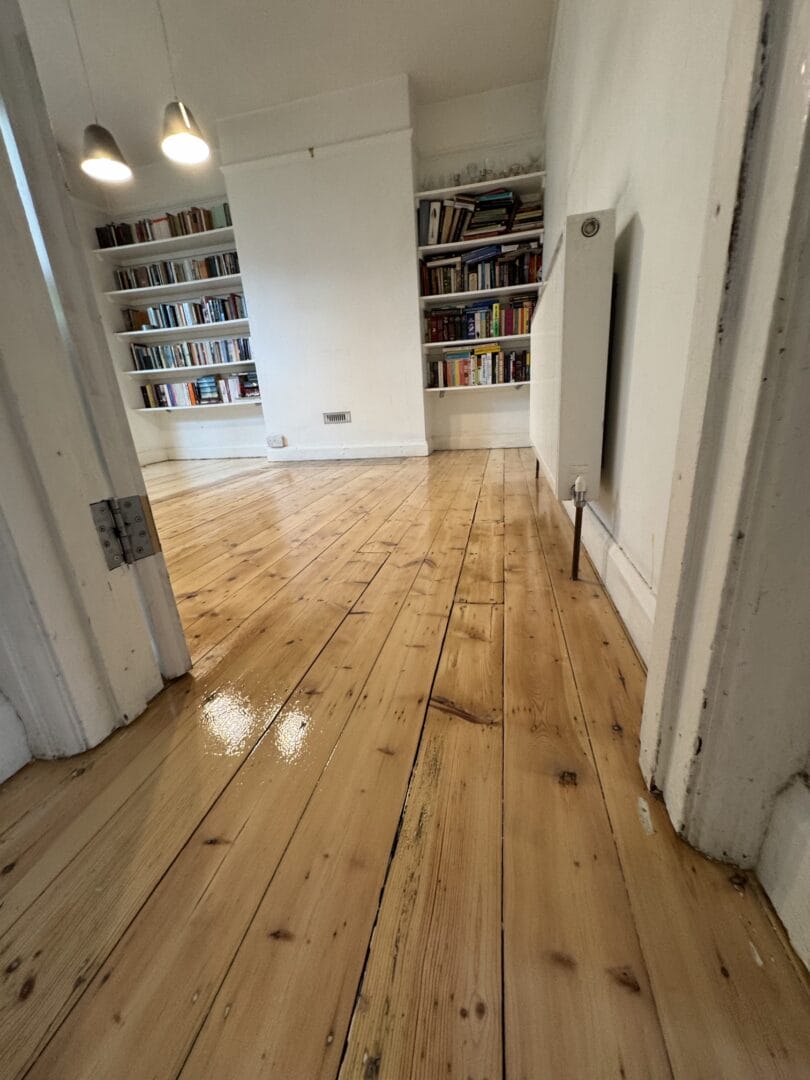
Before booking floor sanding, check these points:
- Can the room be cleared?
- Are there loose boards, gaps or raised nails?
- Are there stains, paint, old adhesive or damaged areas?
- Is any decorating or building work still planned?
- Do you know whether the floor is solid or engineered?
- Have you thought about oil, lacquer or another finish?
- Do you know when the room needs to be usable again?
- Have you sent clear photos before asking for a quote?
This does not replace a proper assessment, but it helps the first conversation become more useful.
Planning floor sanding near Huntingdon
For homes in Huntingdon, Godmanchester, Brampton, St Ives, Hemingford Grey and surrounding villages, planning the job properly can make the difference between a stressful project and a smoother one.
The work itself matters, but so does the preparation: the right service, the right finish, the right timing and the right expectations.
A well-planned floor sanding job should leave you with a better floor and fewer surprises along the way.
Need help planning your wooden floor restoration?
Art of Clean can assess your wooden floor and explain what is realistic before the work is agreed. You can learn more about our wood floor sanding and restoration service or browse the Knowledge Centre for more practical wood floor advice.
If you are unsure where to start, send a few clear photos and a short description of the room. That is often enough to begin the conversation.
FAQ on wood floor restoration prep
Do I need to clear the room before floor sanding?
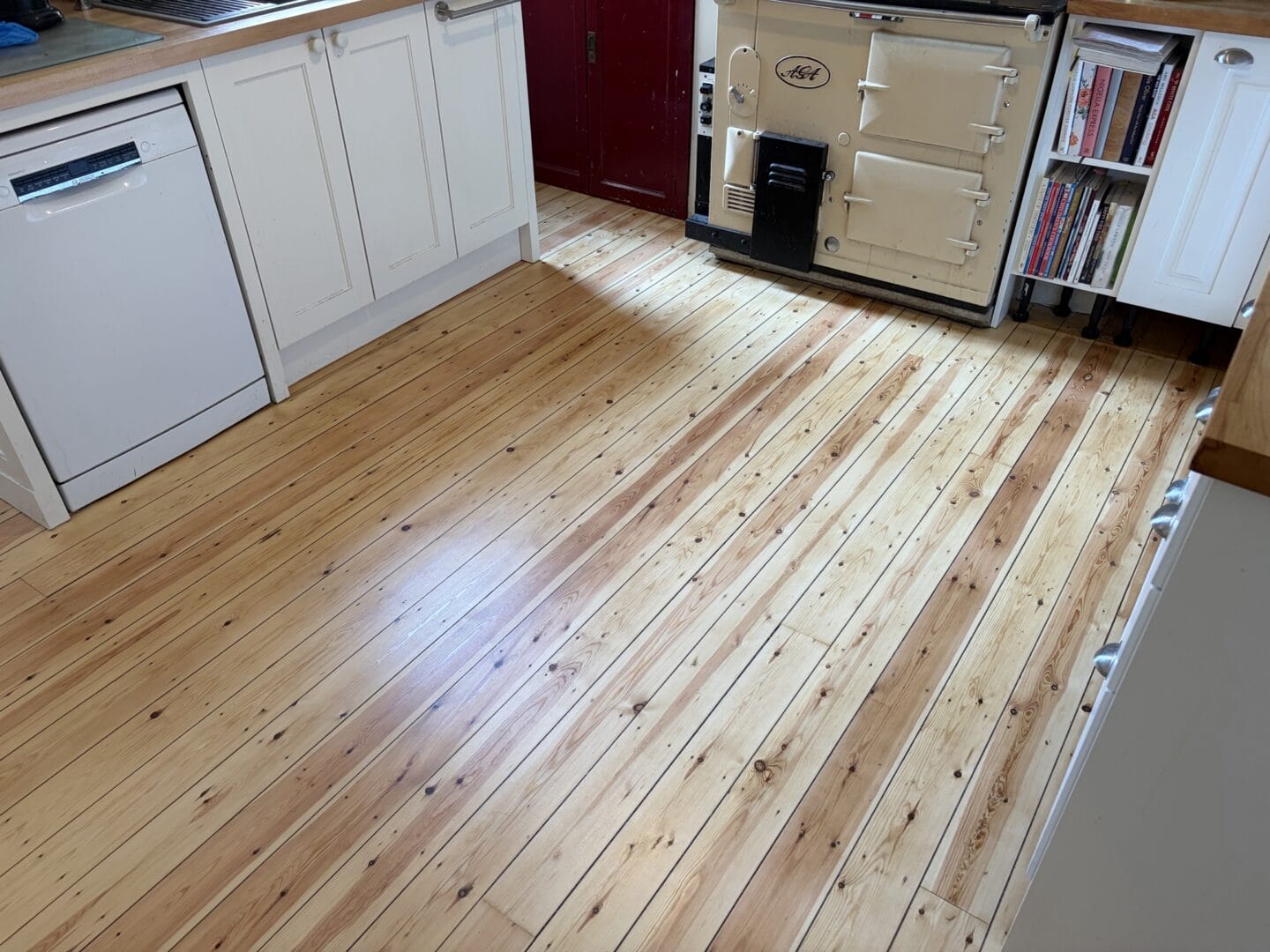
Usually, yes. The room needs enough clear space for sanding equipment, edging work and finishing. If large or heavy furniture cannot be moved, mention this before the work is booked so the team can advise properly.
Is floor sanding dust-free?
Modern professional sanding equipment can control dust far better than older methods, but it is safer to describe the process as dust-controlled rather than dust-free. Edges, corners and detailed areas can still create fine dust.
Should I decorate before or after floor sanding?
It depends on the room and the other work being carried out. Painting first may avoid mess on a newly finished floor, but later decorating work can also risk damaging the new finish. Ask for advice before booking if the room is part of a wider project.
Can loose floorboards be sanded?
Loose boards should be checked before sanding. Some may need securing or repairing first. Sanding should not be used as a way to force an unstable floor into shape.
How soon can I use the room after floor sanding?
This depends on the finish used, room conditions and the level of traffic. Ask before the work starts so you can plan around furniture, pets, children and normal use of the room.