Because sometimes one room just isn’t enough!
There’s something rather lovely about walking into a home with beautiful wooden floors. They’re warm, full of character and have a timeless appeal that doesn’t really go out of fashion.
But let’s be honest, our floors have to put up with quite a lot!
From muddy shoes and furniture being moved around to children, pets and everyday family life, those lovely wooden boards can eventually start looking a little tired.
And when the wear isn’t limited to one room, you might wonder whether it’s worth restoring several wooden floors at once.
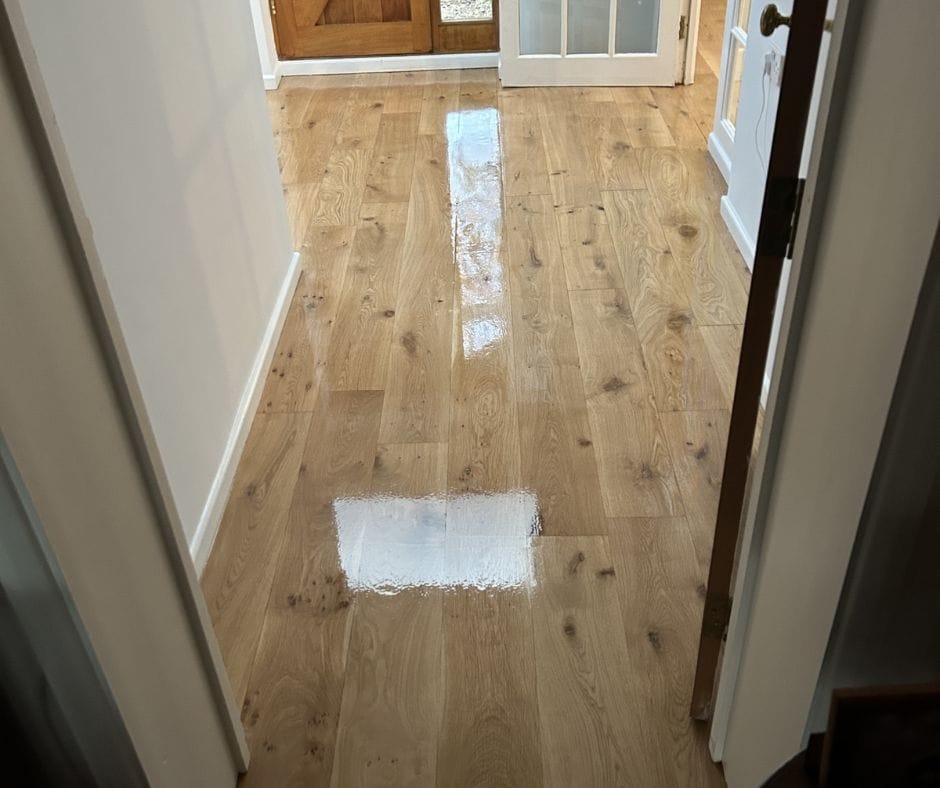
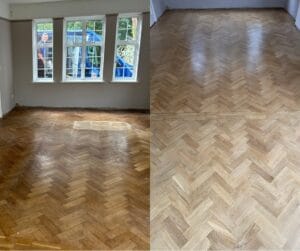
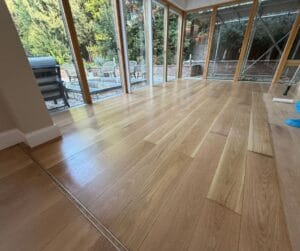
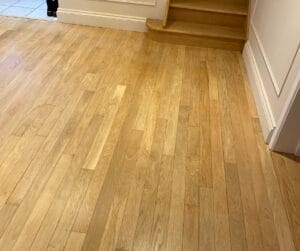
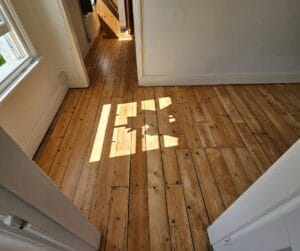
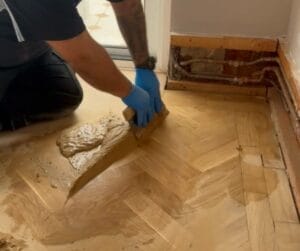
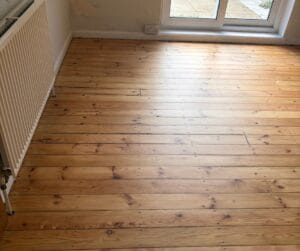
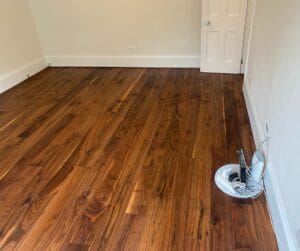
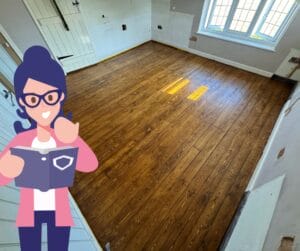
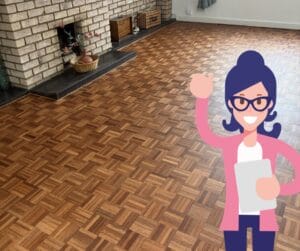
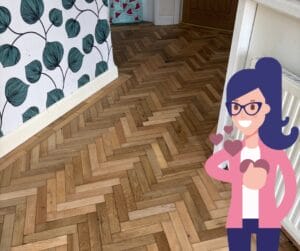
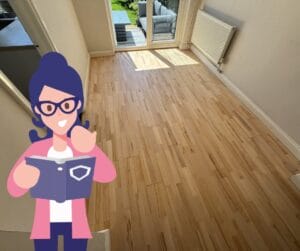
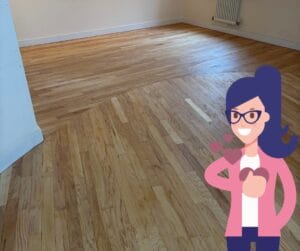
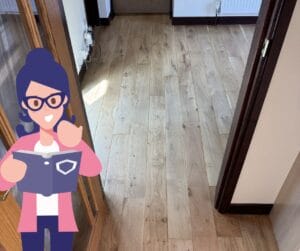
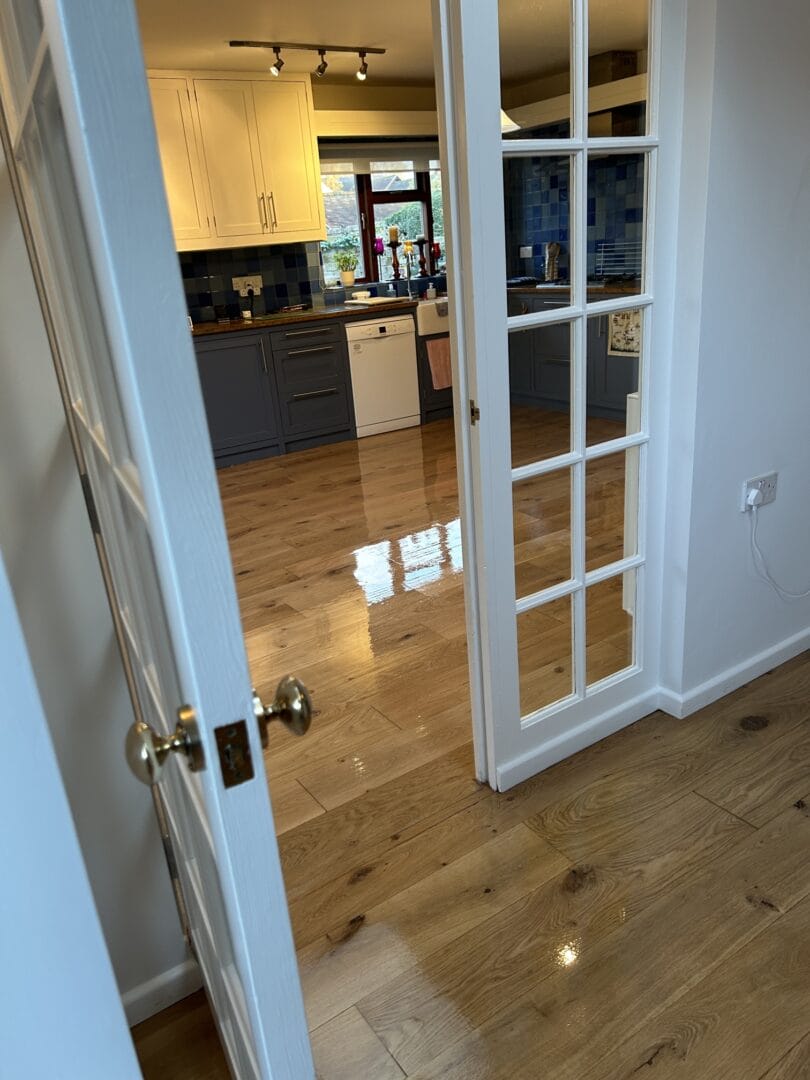
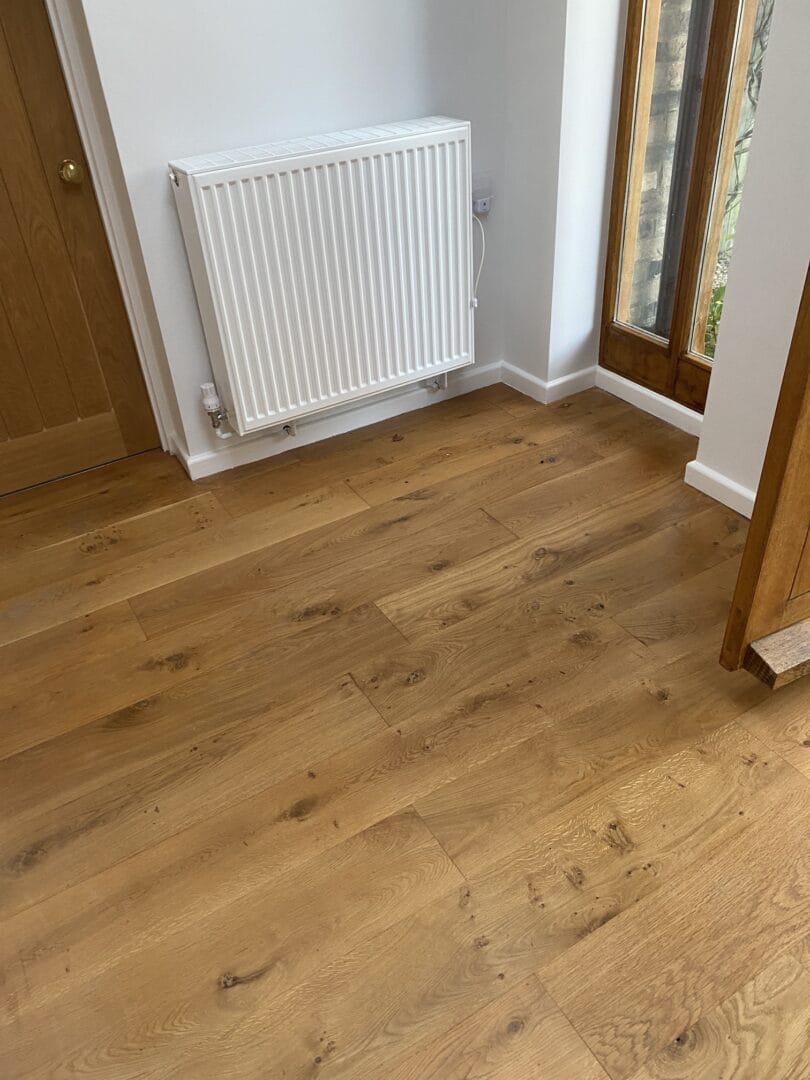
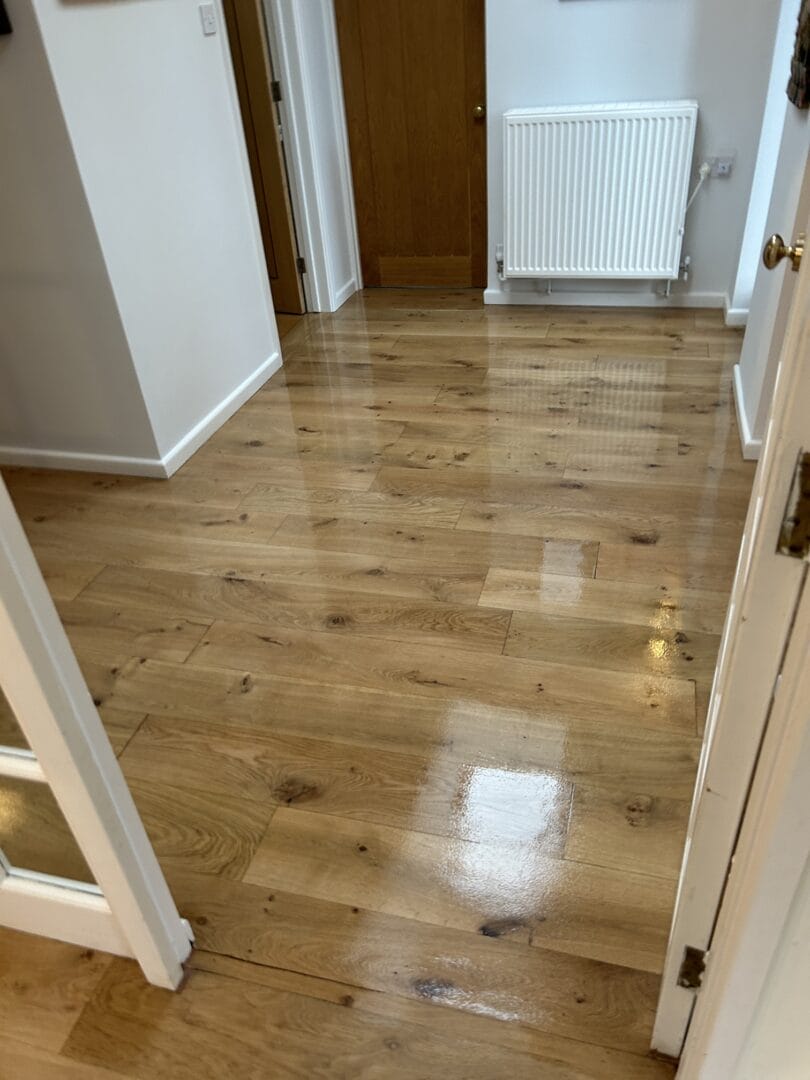
That’s exactly the sort of project we’re talking about today, inspired by a wood floor restoration job in Abington, Cambridgeshire, involving all the downstairs flooring.
So, if your wooden floors are looking a little worse for wear, pop the kettle on! Let’s look at what goes into restoring more than one room and how to prepare for the work.
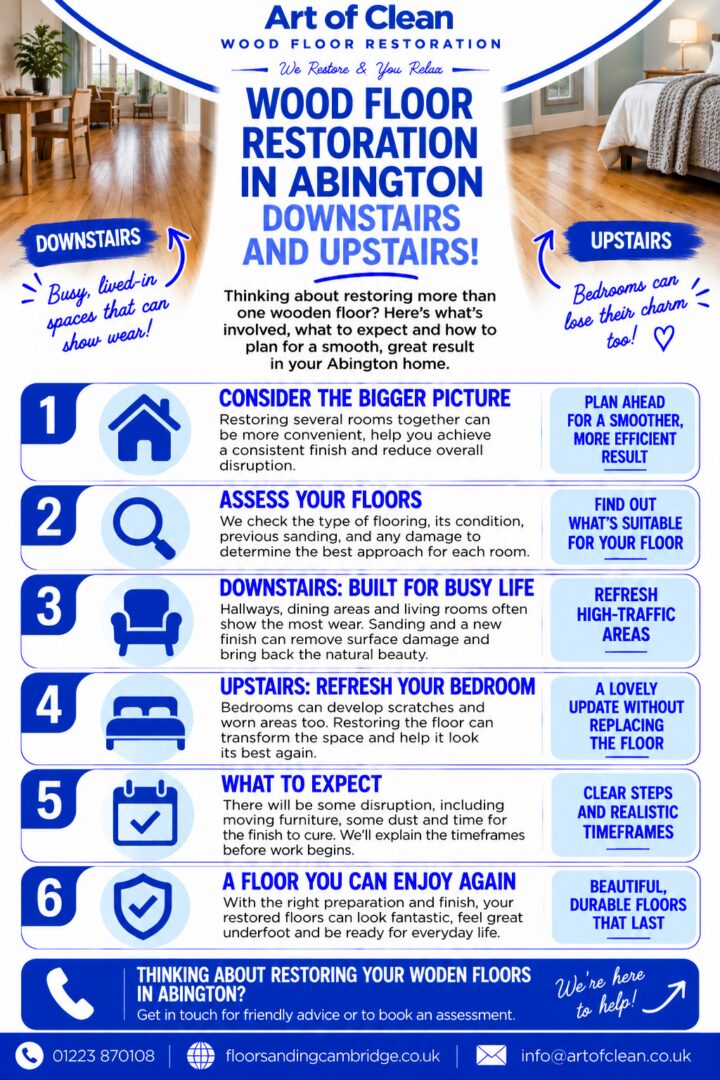
Why Restore Several Wooden Floors at the Same Time?
It’s easy to focus on the floor that’s looking the worst.
Perhaps the downstairs flooring has taken years of punishment from shoes, chairs and everyday foot traffic, while the bedroom floor has a few scratches and areas where the finish has worn away.
But if you’re already thinking about having one wooden floor restored, it makes sense to consider the others.
There are several potential advantages to planning the work together.
You can plan the disruption in one go. Rather than arranging separate visits months apart, a multi-room project may let you organise the work around one period.
You can think about the finishes together. If you want a consistent appearance throughout your home, discussing the floors at the same time helps you understand what’s achievable.
You may avoid repeated preparation. Moving furniture, clearing rooms and arranging access can take time. Planning several rooms together may make things more convenient.
Of course, every home is different, and restoring multiple floors at once isn’t always the best option. Much depends on the condition of the wood, the layout of the property and how the rooms are used.
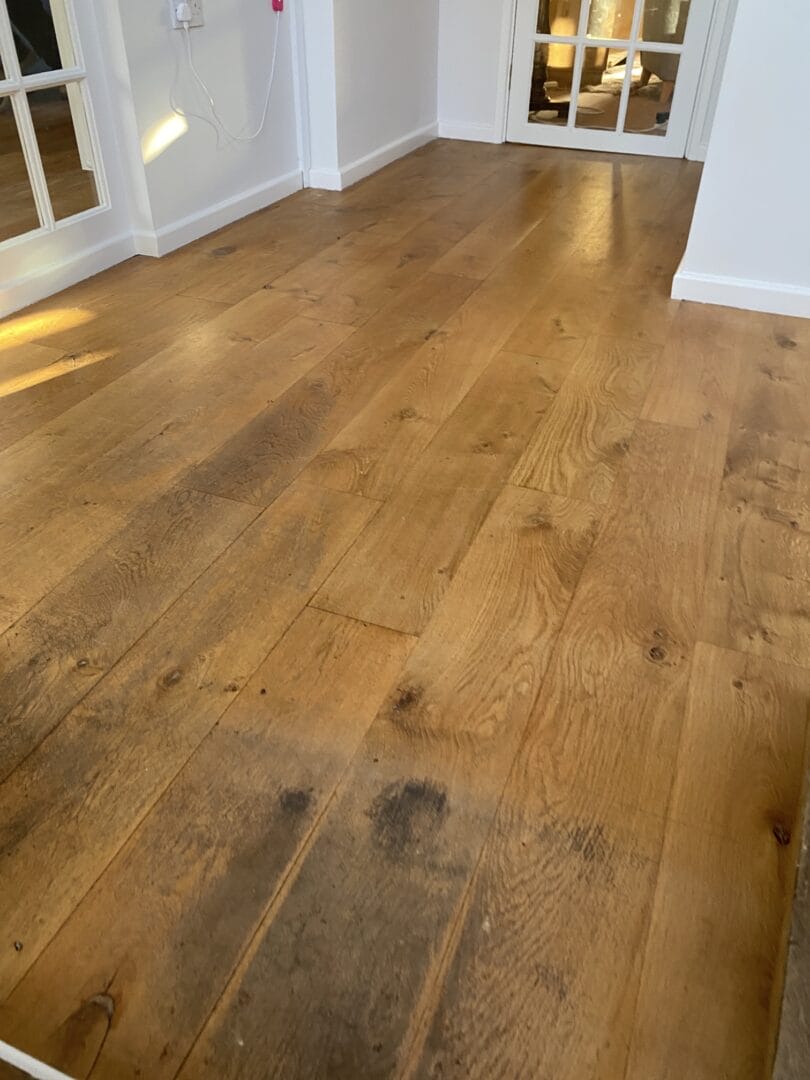
Wood Floor Restoration in Abington: Our Multi-Room Project
Our Abington project involved wooden flooring downstairs and in bedroom one.
It’s a great example of why homeowners might consider several rooms as part of the same restoration project.
Before sanding any wooden floor, it’s important to understand what you’re working with.
Is it solid wood or engineered flooring? Has it been sanded before? Are there loose boards, deep scratches or areas of damage?
These questions matter because not every wooden floor can be treated in exactly the same way.
For example, solid wooden floors can often be sanded multiple times, depending on their remaining thickness and condition. Engineered wooden floors are different because the real wood layer on top may be quite thin.
And here’s something that’s worth remembering: just because a floor looks tired doesn’t automatically mean it needs replacing!
A professional assessment can help determine whether restoration is a suitable option.
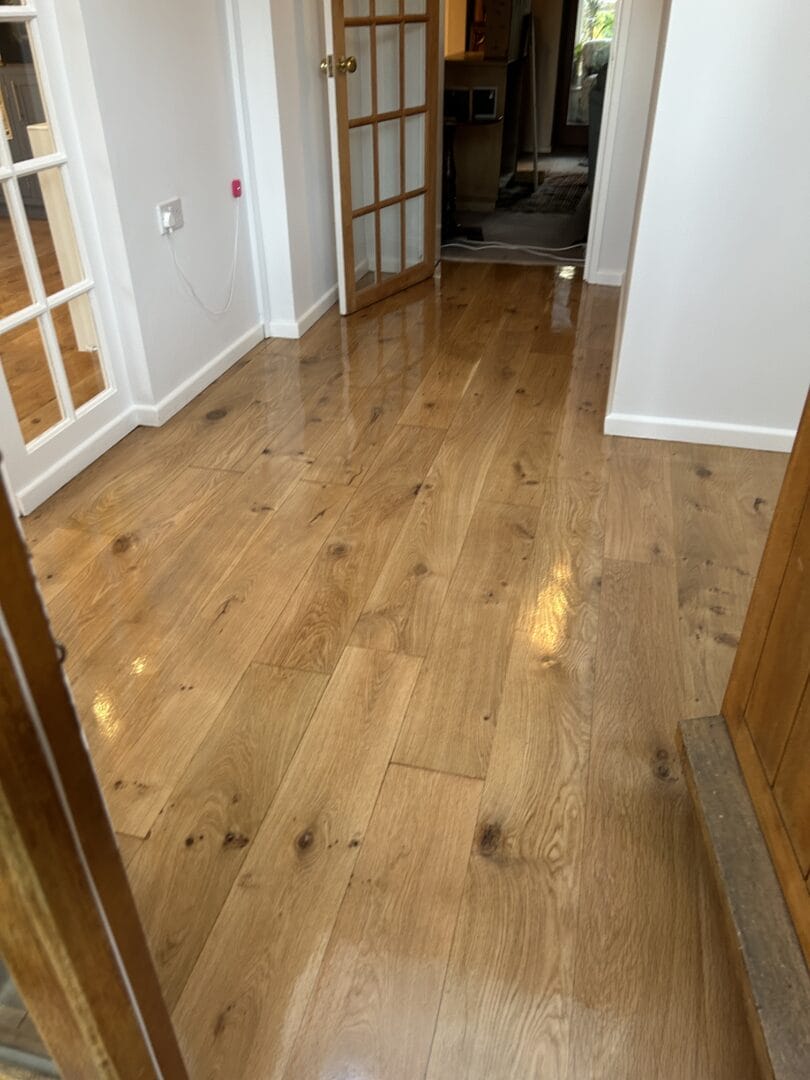
Downstairs Wooden Floors: Where Everyday Life Leaves Its Mark!
Let’s face it, downstairs floors rarely get a day off!
Whether it’s people walking through the hallway, dining chairs scraping backwards, or the dog making a dramatic entrance after a muddy walk, the flooring can take quite a beating.
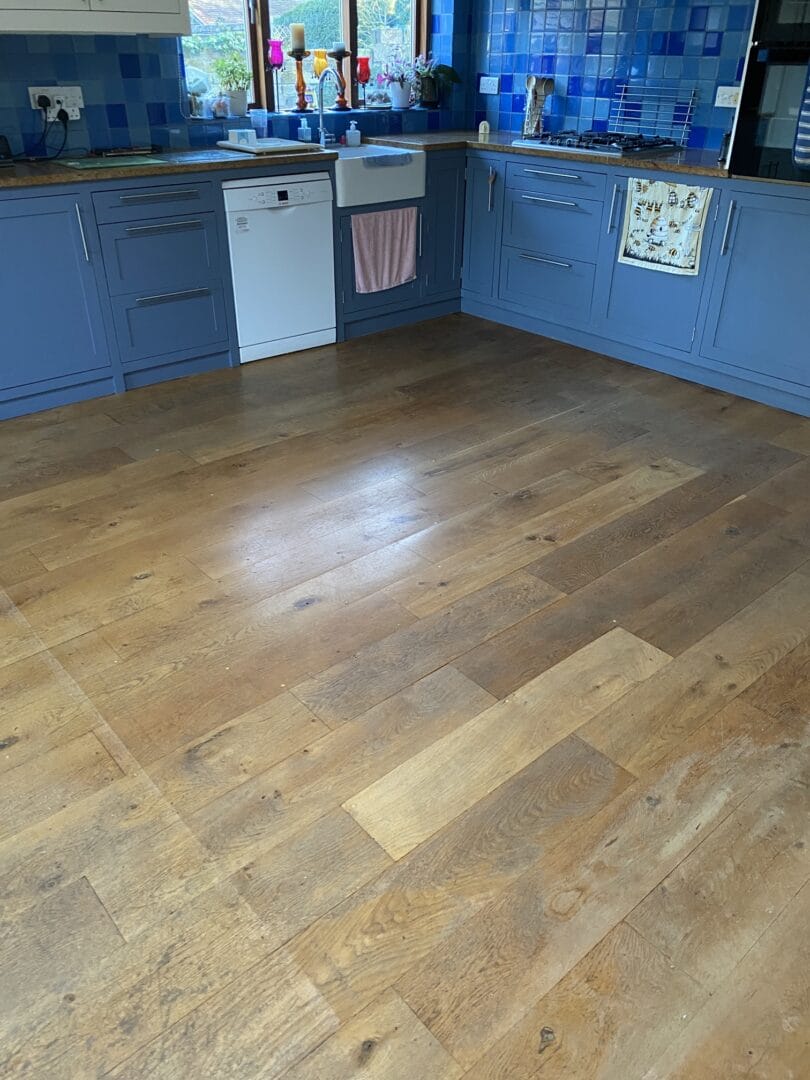
Over time, you might notice scratches, dull patches, worn finishes or areas that look darker than the rest of the floor.
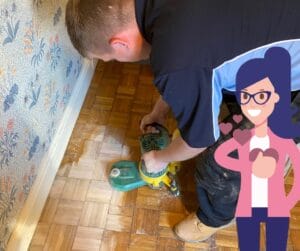
Professional wood floor sanding and restoration in Cambridge can often help by removing the worn surface and applying a suitable new finish.
However, the timber’s condition matters. Serious damage, staining that has penetrated the wood and previous sanding can all affect what’s achievable.
If your downstairs flooring runs through several connected rooms, careful planning becomes even more important.
Upstairs Wooden Floors: Don’t Forget the Bedroom!
Bedrooms might not experience quite the same level of foot traffic as a busy hallway, but that doesn’t mean they’re immune to wear.
Think about the areas around the bed, dressing table or wardrobe.
Furniture gets moved, shoes are dropped, and sunlight can gradually change the appearance of certain wood finishes.
Before you know it, the floor that once looked beautiful has lost some of its charm.
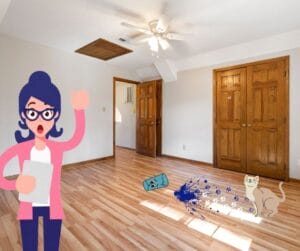
Restoring a bedroom floor can be a lovely way to refresh the space without replacing the flooring altogether.
But people sometimes overlook one practical detail.
Where are you going to sleep while the work is being carried out?
Depending on the finish being applied, the floor may need time before you can walk on it, return furniture, or replace rugs.
This is why planning ahead is so important, particularly when you’re restoring downstairs floors and an upstairs bedroom during the same project.
How Disruptive Is Restoring Several Wooden Floors?
Now, here’s the question many homeowners really want answered.
Are we talking about a little inconvenience, or will the house look like a building site for the next fortnight?
Thankfully, professional wood floor restoration doesn’t necessarily mean turning your home upside down.
However, there will be some disruption, and it’s important to understand what to expect.
-
Moving Furniture
You generally need to clear the rooms being restored before sanding begins.
That means moving beds, sofas, tables and other furniture to a suitable location.
For multi-room projects, it may be possible to plan the work in stages so that some rooms remain available while others are being restored.
-
Access Between Rooms
If the downstairs flooring includes a hallway or an important walkway, consider access carefully.
Nobody wants to discover that the only route to the kitchen is across a freshly finished wooden floor!
A professional restoration team can explain how they’ll organise the work and when specific areas will be accessible.
-
Dust and Noise
Modern professional sanding equipment often includes dust extraction systems that capture much of the dust produced during sanding.
However, no sanding process should be described as completely dust-free.
The equipment will also make noise, so plan around anyone working from home or needing a quiet environment.
-
Drying and Curing Times
This is particularly important.
A wooden floor might feel dry to the touch long before the finish has fully cured.
The time needed depends on the product used, the property’s conditions, and the manufacturer’s guidance.
Walking on the floor, replacing heavy furniture and putting rugs back may all have different recommended waiting periods.
Our advice? Don’t rush the final stage. You’ve invested in restoring your wooden floors, so give that lovely new finish the time it needs.
Should You Choose the Same Finish for Upstairs and Downstairs?
Not necessarily!
And this is where things can get interesting.
You might love a natural-looking finish downstairs but prefer something slightly warmer in the bedroom.
There are several options available, depending on the type and condition of your flooring.
Oil finishes can offer a natural appearance and may allow for localised maintenance, depending on the product.
Lacquered finishes create a protective coating over the surface of the wood and are available in different sheen levels.
However, two different wooden floors won’t necessarily look identical, even when treated with the same product.
The timber species, age, grain, previous treatments and natural colour variations can all affect the final appearance.
This is why discussing your expectations before restoration begins is so valuable.
Is Restoring Several Wooden Floors Cheaper Than Replacing Them?
It certainly can be, but there’s no universal answer.
If your existing wooden floors are structurally sound and suitable for sanding, restoration may allow you to keep the original timber rather than paying for removal and replacement.
However, the cost will depend on factors such as the total floor area, condition of the wood, repairs required, chosen finish and access.
Restoring multiple rooms together may also offer some practical efficiencies compared with arranging completely separate projects, although that doesn’t automatically mean a lower overall price.
The best approach is to have the floors assessed and obtain a quotation based on the actual work needed.
Five Things to Consider Before Booking Multi-Room Wood Floor Restoration
If you’re thinking about restoring several wooden floors in your Abington home, here are five questions worth asking.
- Can all the floors be sanded? Some floors may have insufficient timber remaining or other issues that make sanding unsuitable.
- Where will the furniture go? Think about storage and how you’ll use the rooms during the work.
- Will you still have access to essential areas? Hallways, stairs and bedrooms need particular attention when planning the schedule.
- Which finish is best for each room? Consider appearance, durability, maintenance and how the rooms are used.
- How long before normal life can resume? Ask about walking on the floors, replacing furniture and allowing the finish to cure.
A little preparation can make a big difference to how smoothly the project runs.
Wood Floor Restoration in Abington and the Surrounding Villages
Abington, including Great Abington and Little Abington, is home to a variety of properties, from older village houses to more modern family homes.
And while the properties may be different, one thing remains the same: wooden floors need looking after.
If your floors are starting to look tired, scratched or worn, professional restoration may help bring back their natural character.
At Floor Sanding Cambridge, we help homeowners explore the options for restoring their existing wooden flooring.
Whether you’re considering one room or several, the first step is understanding the condition of the floors and what can realistically be achieved.
One Room or the Whole House?
Wooden floors have a wonderful way of bringing character into a home.
When they look tired, it’s tempting to start browsing new flooring samples.
But hang on a minute!
Before you plan to rip everything out, it may be worth finding out whether you can restore your existing floors.
Our Abington multi-room project provides a useful starting point for discussing the practical side of restoring wooden floors downstairs and upstairs.
With the right assessment, preparation and finishing choices, restoration can be an excellent way to make the most of the wood you already have.
Thinking about restoring your wooden floors in Abington or near Cambridge?
Visit Floor Sanding Cambridge to find out more about professional wood floor restoration and discuss your project with the team.
Frequently Asked Questions On Wood Floor Sanding and Finishing in Abington
Can I have my downstairs and upstairs wooden floors sanded at the same time?
Yes, as long as the floors are suitable for sanding.
Restoring several rooms as part of one project can make planning more convenient. However, you’ll need to consider access, furniture storage, and finish drying times.
How long does it take to restore wooden floors in several rooms?
The time depends on the total area, condition of the flooring, repairs needed and chosen finish. A professional assessment will help establish a realistic schedule.
Can old wooden floors in Great Abington and Little Abington be restored?
Many older wooden floors can be restored, but their suitability depends on factors such as timber thickness, previous sanding and structural condition. An assessment is important before any work begins.
Will all my wooden floors look the same after sanding?
Not necessarily. Different wood species, ages and previous treatments can produce different results. Even when the same finish is applied, natural variations may remain.