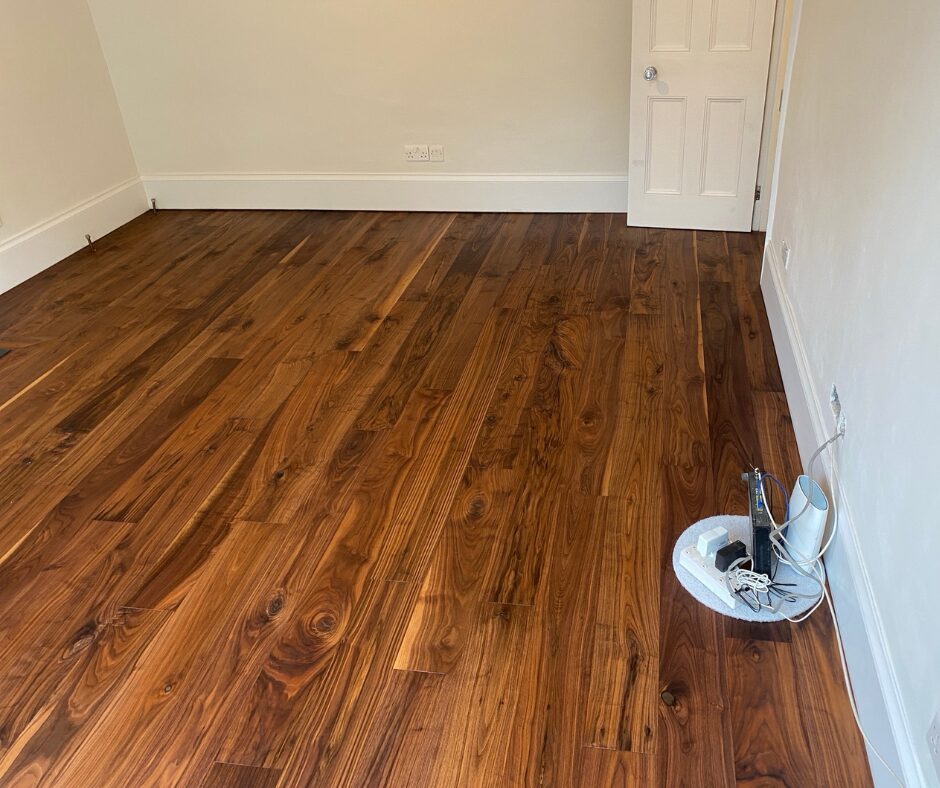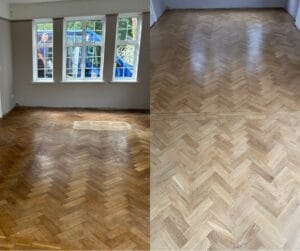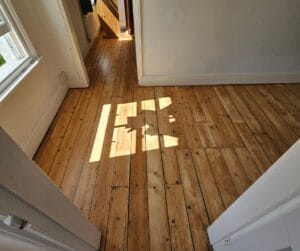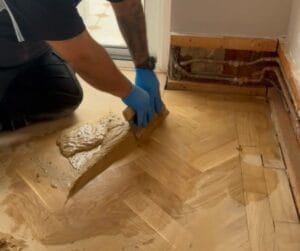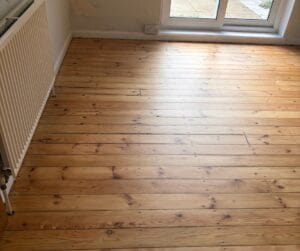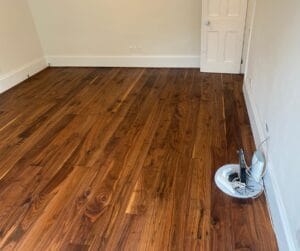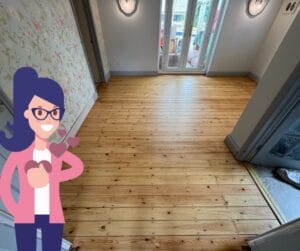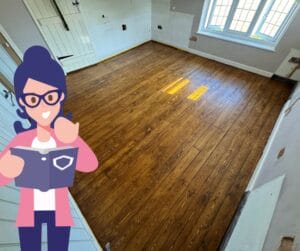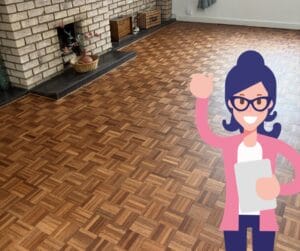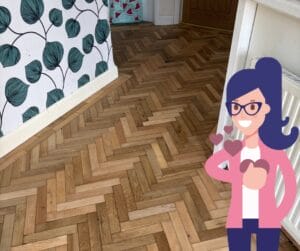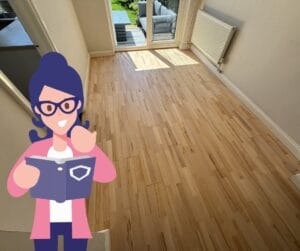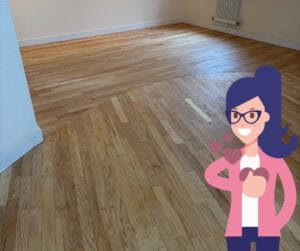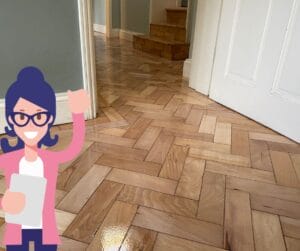
Many homes in and around Royston have wooden floors with real character.
Some are original boards that have been hidden under carpets for years.
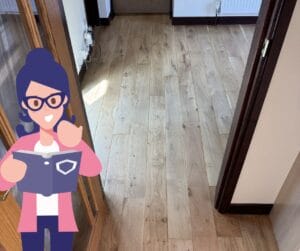
Others are parquet, engineered wood, oak flooring or newer timber floors that have simply taken the pressure of everyday life.
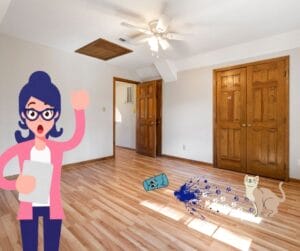
Shoes, pets, furniture, children, chairs, sunlight, spills and years of foot traffic can leave a wooden floor looking dull, scratched, patchy or tired.
It is easy to assume the floor needs replacing, especially when the finish has worn away, or the boards look marked.
In many cases, replacement is not the first answer. Professional wood floor restoration can often bring the existing floor back to life, where the floor is suitable and there is enough timber to work with.
The right approach may be sanding, repairing, refinishing, recoating or, in some cases, honest advice that replacement would be better value.
For Royston homeowners, the useful first step is not choosing a finish or booking sanding straight away. It is getting the floor assessed properly.
What you will learn in this blog :
Why wooden floors in Royston homes become tired over time
Wooden floors are designed to be lived on. A hallway in a family home, a kitchen with pets, a sitting room with heavy furniture or a bedroom with older boards will all wear in different ways.
Some floors look dirty because the surface finish has failed.
Once that protective layer has worn through, everyday grit, moisture and unsuitable cleaning products can affect the timber more easily.
At that point, more mopping will not solve the problem and may even make it worse.
Common signs that your wooden floor may need attention include:
- Dull or grey areas where the finish has worn away
- Scratches from grit, pets, chairs or furniture
- Dents in busy areas
- Staining from water, plants, spills or old treatments
- Patchy colour from previous coatings or sunlight
- High-traffic wear in entrances, kitchens and walkways
- Loose, split or uneven boards
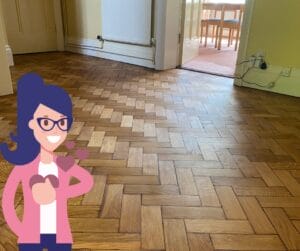
- Parquet blocks that have moved or become unstable
A tired floor does not always mean a ruined floor. The important question is what has worn: the finish, the surface of the timber, the structure of the floor, or all three.
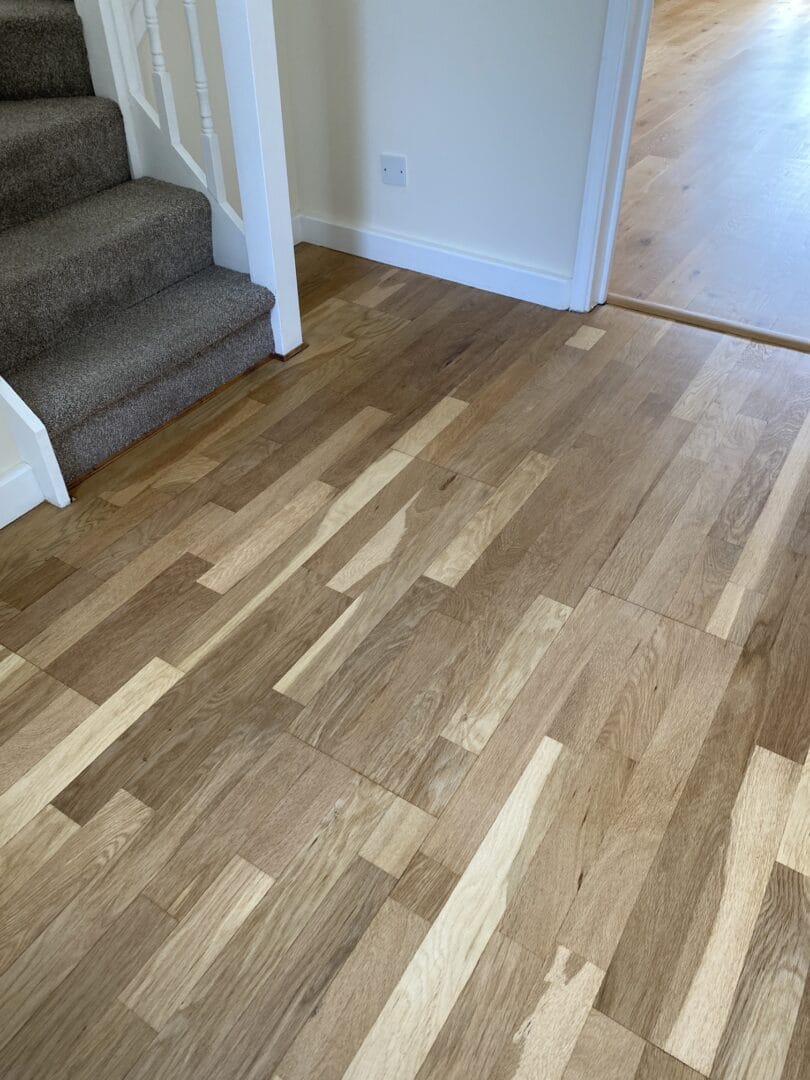
Could your Royston wood floor be restored rather than replaced?
This is where “restore, don’t replace” matters.
Replacing a wooden floor can be expensive and disruptive.
It can also mean losing boards that still have life, history and character left in them.
Where suitable, restoration can protect what is already there and give the room a cleaner, warmer and more cared-for feel.
That does not mean every floor should be restored.
A good wood floor specialist should look carefully before recommending sanding. Solid wood, pine boards, parquet and engineered wood all need different judgement.
Engineered wood is especially important. It has a real wood wear layer on top, but that layer may be limited.
Some engineered floors can be sanded lightly. Some cannot safely be sanded again.
Old pine boards may restore beautifully, but the final colour can be difficult to predict because age, sunlight, previous coatings and replacement boards all affect the result.
Before deciding whether to restore or replace, Art of Clean would normally consider:
- What type of wooden floor you have
- Whether it is solid wood, parquet, pine boards or engineered wood
- How much wear or damage is present
- Whether the finish has failed
- Whether there are stains, water marks or pet damage
- Whether boards or blocks need repair
- How the room is used
- What finish would suit the household afterwards?
Sometimes the answer is a full sand and refinish. Sometimes a clean and recoat may be enough. Sometimes repair work is needed first. Occasionally, replacement may be the more sensible route.
The value of a proper assessment is that you do not have to guess.
What does professional floor sanding involve?
Professional floor sanding is not just running a machine over the boards. The result depends on the assessment, preparation, sanding sequence, repair work, dust control, finish choice and aftercare.
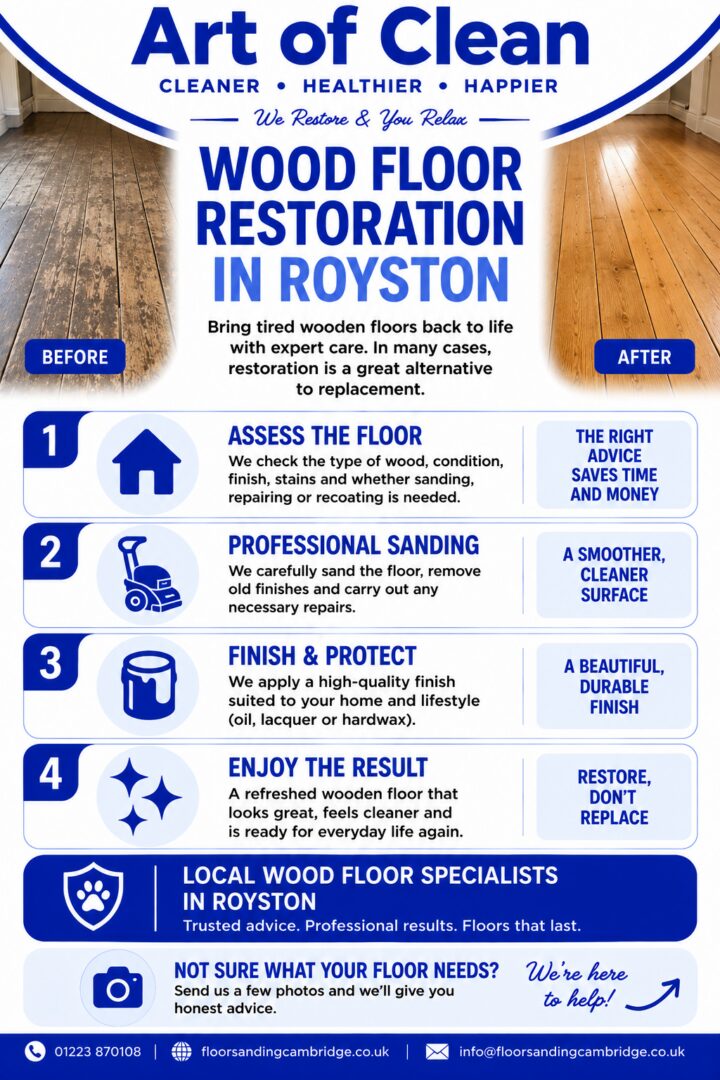
For a wood floor restoration project in Royston, the process usually includes the following stages.
Assessment
They check the floor before work begins. This helps identify the type of wood, the condition of the finish, whether there are loose boards, previous coatings, stains, water damage or areas that need repair.
This is also where they should discuss realistic expectations. Some marks may improve. Some deep stains may remain. Some old boards may change colour in ways that they can’t fully control.
Preparation
The room normally needs to be cleared so the floor can be sanded evenly. If there is heavy furniture, a piano, wardrobe, large table or anything difficult to move, it is worth mentioning this early. It is much easier to plan safely before the job than to discover a problem on the day.
Preparation may also include securing loose boards, punching down raised nails, checking thresholds and protecting nearby areas.
Sanding
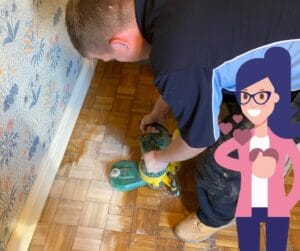
The floor is sanded in stages using professional sanding equipment. The starting grit really depends on the condition of the floor. A lightly worn lacquered floor does not need the same approach as a deeply scratched hallway, painted boards or tired parquet.
The edges, corners and awkward areas also need attention. A good result depends on the main floor and edges blending properly before they apply the finish.
Floor sanding does create dust, so it should not be described as completely dust-free. The better description is low-dust or dust-controlled sanding. Professional equipment, extraction and careful cleaning between stages help keep the process cleaner and protect the final finish.
Repairs where needed
Some floors need repairs before or during restoration. This might include replacing damaged boards, stabilising loose sections, filling suitable gaps or addressing small defects.
With old boards, the aim is not always to erase every sign of age. The aim is to make the floor sound, usable and attractive while keeping the character that belongs to the home.
You can also look through Art of Clean’s floor sanding case studies to see the kind of work that may be involved in different homes and floor types.
Finishing and sealing
Once the floor has been sanded and prepared, they apply the finish. This might be oil, hard wax oil or lacquer, depending on the floor, the look you want and how the room is used.
A busy hallway, kitchen or pet-friendly space may need a different finish from a quiet bedroom. The right finish should suit real life, not only the colour sample.
If you prefer a natural look and a finish that can often be easier to maintain in worn areas, wood sanding and oiling may be worth discussing. If you want a more durable, sealed surface with a different look and feel, sanding and lacquering the wood may be more suitable.
After finishing, you will need clear guidance on drying times, when furniture can go back, when rugs can be replaced and how to clean the floor safely.
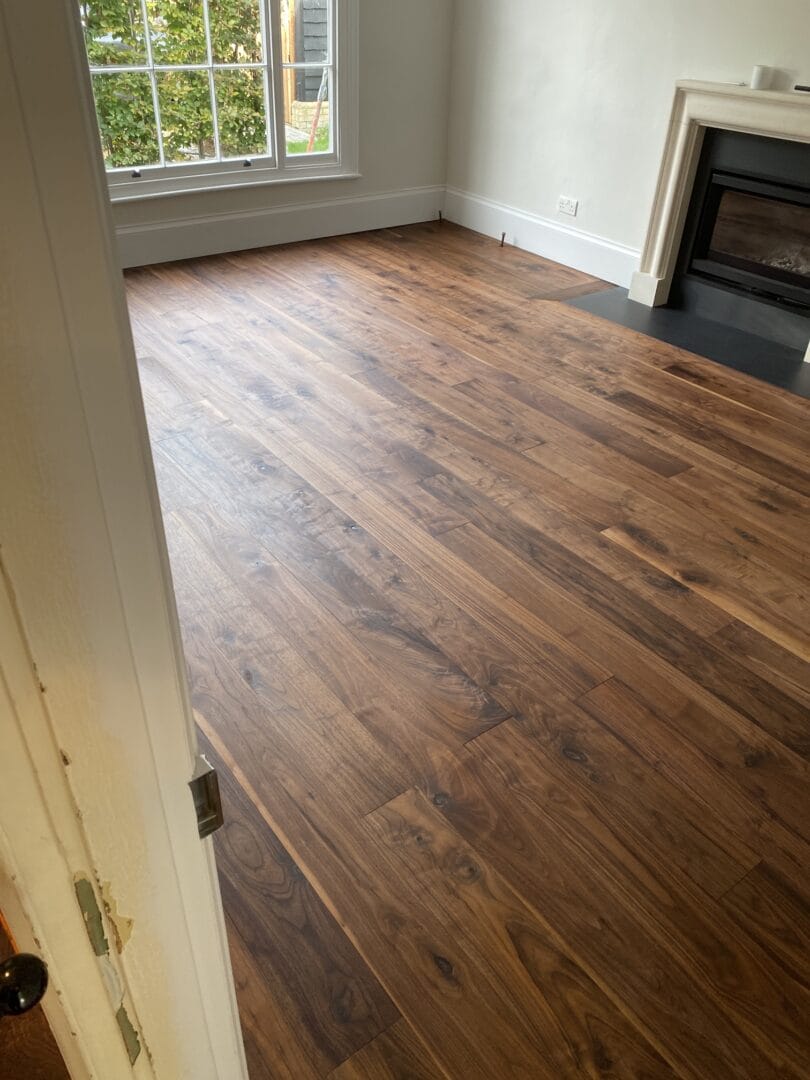
Not every wooden floor needs to look brand new.
One of the best things about wood floor restoration is that it does not have to make an older floor look false.
Some Royston homes have boards that show age, movement, nail holes, colour variation and small marks from the life of the house.
Restoration is not always about removing every sign of that history.
Often, it is about improving the condition, protecting the timber and helping the floor feel cared for again.
A restored floor can still have character. In fact, that character is often why people want to keep the floor rather than replace it.
This matters with old pine boards, parquet and original timber floors.
A careful restoration can soften the tiredness without stripping away the feeling of the room.
The honest part is accepting that old floors can carry limits. Some stains may be too deep. Some boards may need replacing. Some colour variation may remain.
That is not failure. It is part of working with real timber.
Why choose a local floor restoration company for your Royston home?
Choosing a company for wood floor restoration is partly about equipment and skill, but it is also about communication. Floor sanding happens inside your home. It affects access, furniture, dust, drying time and how soon the room can be used again.
Art of Clean provides wood floor sanding and restoration for homes in Royston, Cambridge and surrounding Cambridgeshire areas.
The work may involve old boards in a period home, engineered flooring in a kitchen, a scratched hallway, tired parquet, oak worktops or a normal wooden floor that simply needs proper care.
Clients often worry about the same things before booking: Will it be messy? Can the floor be saved? Will the colour be what I expect? How long will the room be out of use? Is it worth restoring, or should I replace it?
Those are sensible questions. A good local floor restoration company should answer them clearly before the work begins. You should know what is likely, what is uncertain and what can only be confirmed once the floor has been inspected.
If you are still researching the process, the Knowledge Centre is also a useful place to learn more about wood floor care and restoration before making a decision.
How much does wood floor restoration cost in Royston?
The cost of wood floor restoration in Royston depends on the floor and the work required. A small room with a straightforward sand and finish will not cost the same as a larger area with repairs, old coatings, staining, parquet work or difficult access.
The main cost factors include:
- The size of the floor
- The type of wood
- Whether the floor is solid, parquet or engineered
- The condition of the existing finish
- The amount of sanding needed
- Repairs, filling or board replacement
- The finish chosen
- Furniture movement and room access
- Drying and curing requirements
This is why fixed online prices can be misleading. They do not always account for the condition of the floor, the work needed or whether restoration is genuinely the right route.
The better starting point is an assessment. That gives you a clearer idea of what can be done, what it may cost and whether restoration is sensible before you commit.
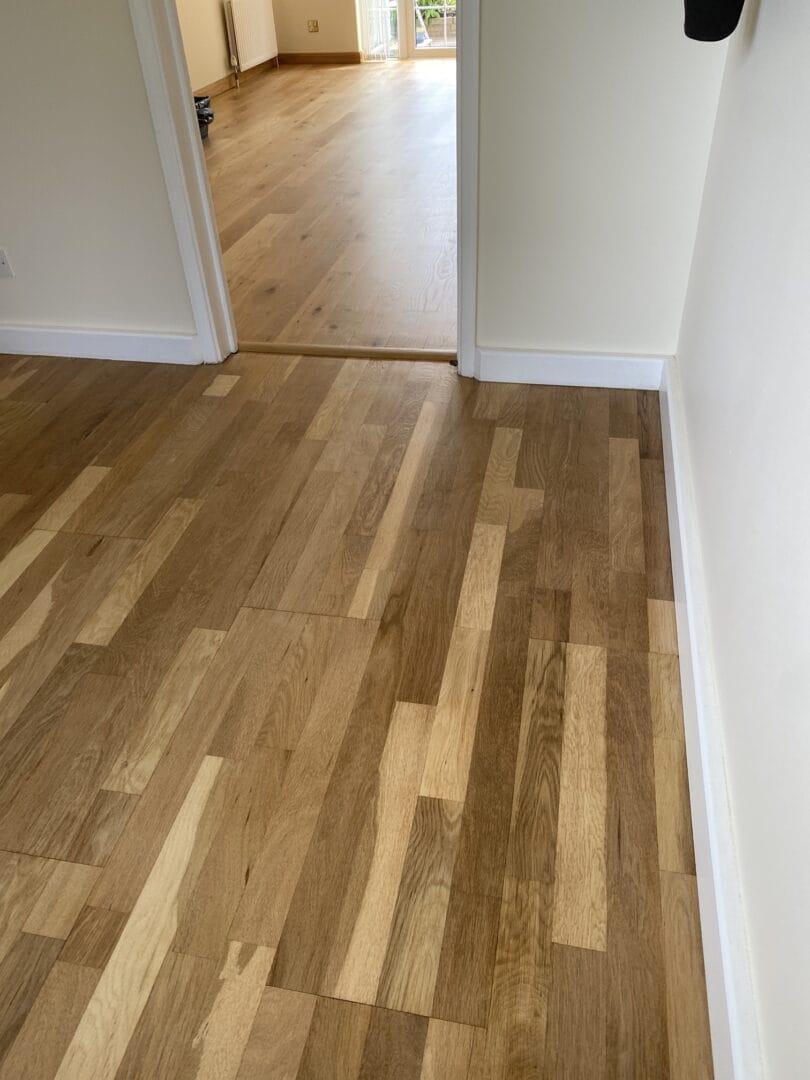
When should you ask for advice?
It is worth asking for advice if your wooden floor is scratched, dull, stained, difficult to clean or starting to look worn in the same areas again and again.
You should also ask before hiring a sanding machine if the floor is engineered, old, uneven, painted, stained, parquet, thin or has already been sanded before. Removing too much timber can shorten the life of the floor, and mistakes often become more obvious once the finish goes on.
A professional assessment can help you decide whether the right answer is cleaning, recoating, sanding, repair, restoration or replacement.
Wood floor restoration in Royston, Cambridge and Cambridgeshire
If you have a tired wooden floor in Royston, you do not need to decide everything on your own. Art of Clean can assess the floor, explain the options and help you understand whether restoration is a sensible route.
Where suitable, professional sanding and finishing can bring warmth, colour and life back to the timber you already have. Where restoration has limits, you will get clearer expectations before making a decision.
To ask about wood floor restoration in Royston, get in touch with Art of Clean for a floor assessment and quote. Send photos if you have them, mention any known damage or previous sanding, and tell the team how the room is used. That will help us guide you towards the right next step.
Frequently asked questions
Can all wooden floors be restored?
No. Many wooden floors can be improved or restored, but not all of them. The result depends on the floor type, condition, previous sanding, depth of staining, repairs needed and whether there is enough timber to work with.
Is floor sanding suitable for engineered wood?
Sometimes. Engineered wood has a real wood wear layer, but the thickness varies. Some engineered floors can be lightly sanded. Others should not be sanded again. The wear layer should be checked before sanding is recommended.
Will my restored floor look brand new?
Not always, and that is not always the aim. Some floors can look dramatically improved, but old boards may still show character, colour variation, historic marks or repairs. Restoration is about improving and protecting the floor, not promising perfection.
Is wood floor sanding dusty?
Floor sanding creates dust, but professional equipment and careful working can make the process much cleaner and more controlled. It is better to describe the work as low-dust or dust-controlled rather than dust-free.
Do I need to clear the room before floor sanding?
Usually, yes. The room normally needs to be cleared so the floor can be sanded evenly. If heavy furniture may be difficult to move, tell the team early so this can be discussed before the job.
What is the best finish for a restored wooden floor?
That depends on the floor, the look you want and how the room is used. Oil, hard wax oil and lacquer all have different benefits. A busy kitchen, hallway or pet-friendly home may need different advice from a quiet bedroom.
How do I get a quote for wood floor restoration in Royston?
Contact Art of Clean with your Royston location, floor size, photos if available, and any details about scratches, stains, pets, water damage, previous sanding or heavy furniture. The team can then advise on the next step and whether an assessment is needed.