Getting a quote for floor sanding can feel simple at first. You have a wooden floor, you want it sanded and finished, and you need to know the cost.
The problem is that two floor sanding quotes can look similar on the surface but include very different things.
One may include preparation, repairs, edging, finish coats, dust control, and aftercare advice. Another may only cover the basic sanding and leave important details unclear.
If you are comparing floor sanding quotes in Cambridge or Cambridgeshire, the clearest quote is not always the cheapest one.
A proper look at the floor before quoting
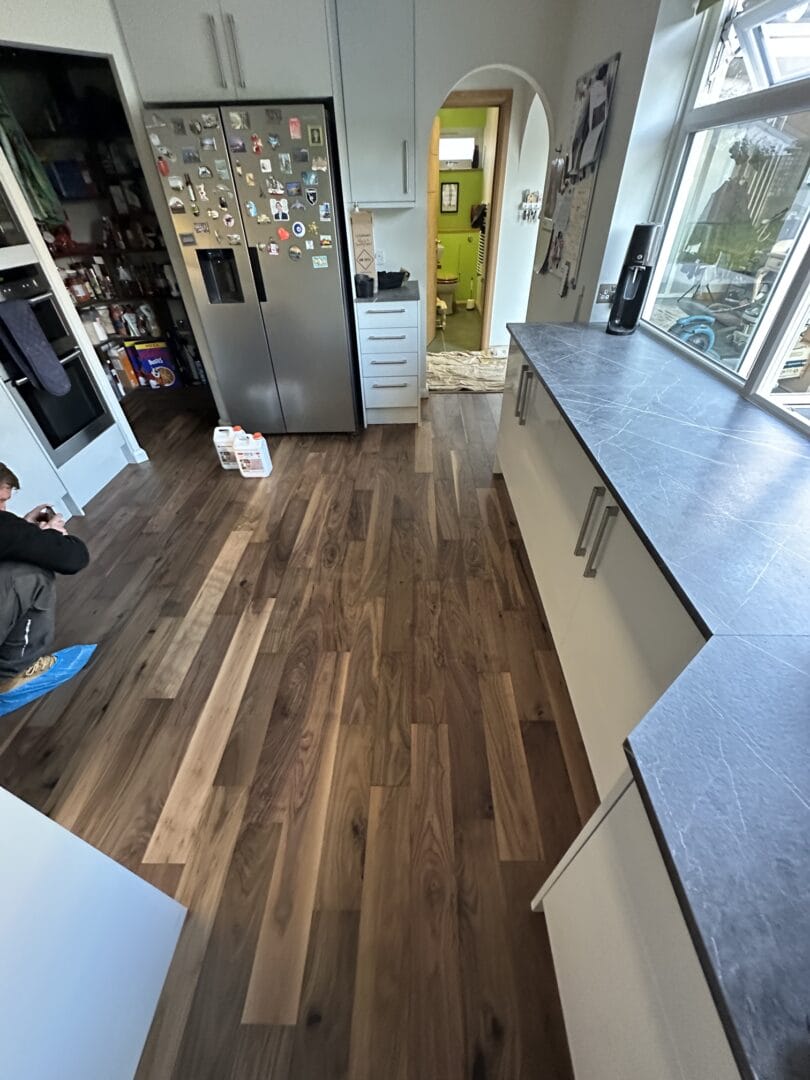
A floor sanding quote should usually start with an assessment of the floor itself.
Photos can be helpful, especially at the early enquiry stage, but they cannot always show the full condition of the timber, the finish, old damage, loose boards or previous repairs.
This matters because wooden floors vary a lot.
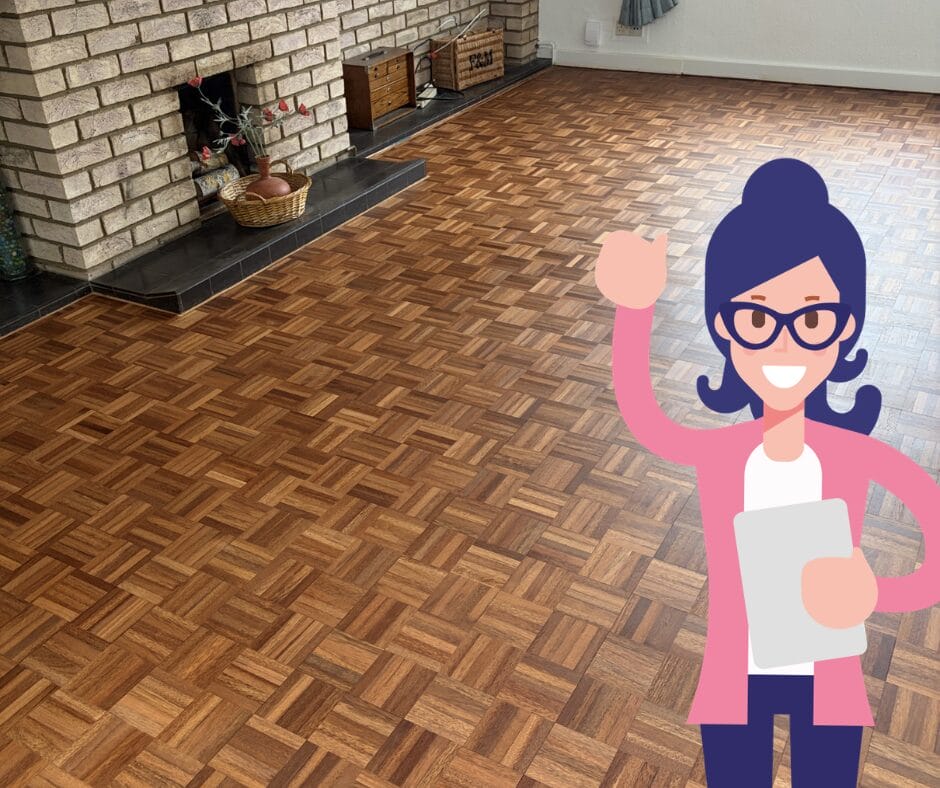
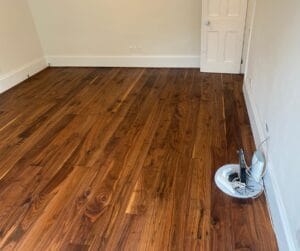
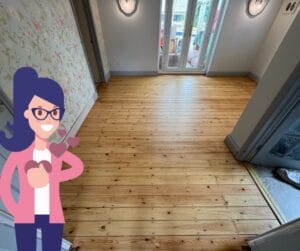
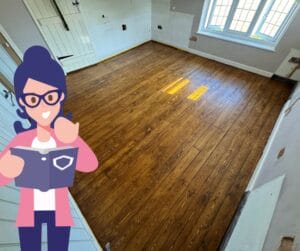
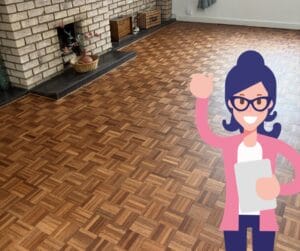
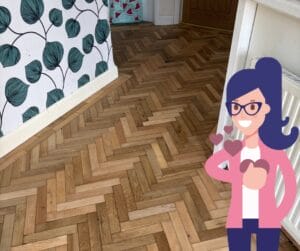
A pine floorboard, parquet floor, engineered wood floor and oak floor may all need a different approach.
A good wood floor restoration quote should include:
- what type of wooden floor you have
- whether the floor is solid or engineered
- how much wear or damage is present
- whether there are loose boards, gaps or raised nails
- whether old coatings, paint, adhesive or stains may affect the work
- whether cleaning, recoating, sanding or replacement is the better route
This is why a site visit can be valuable before work begins. The aim is not just to price the job. It is to understand what the floor needs and what can be promised safely.
Preparation before sanding
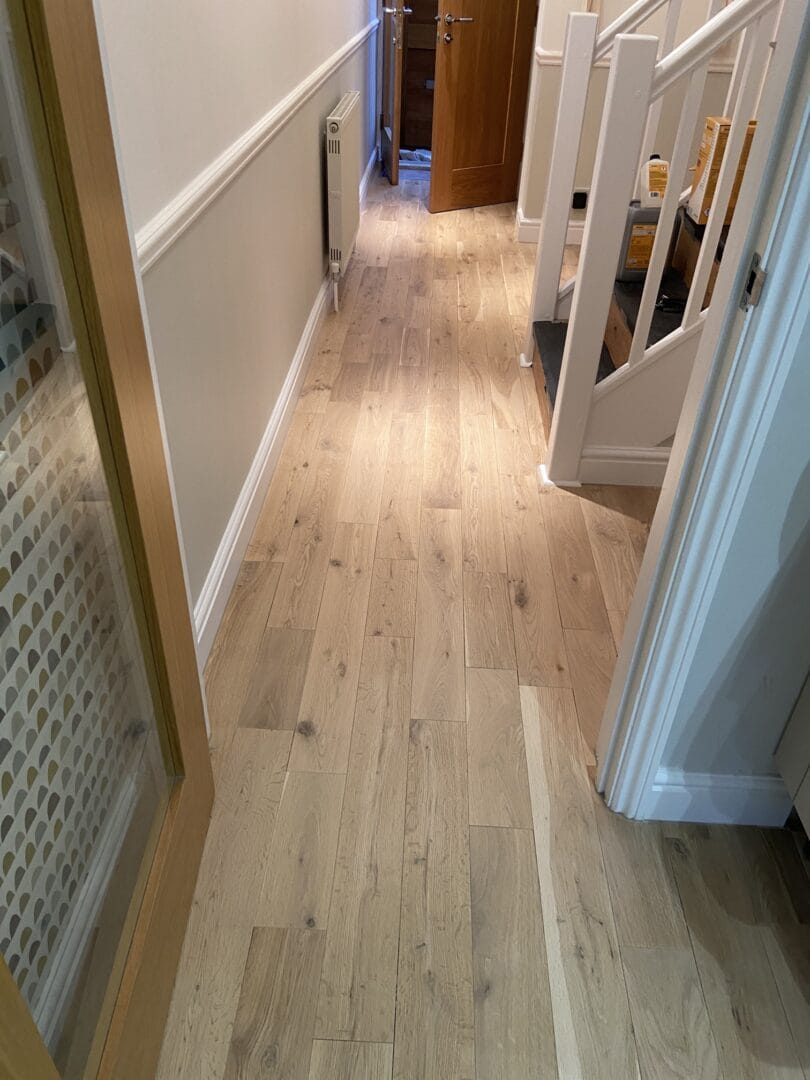
Preparation should be clear in the quote.
This can include checking the floor, securing loose boards, making sure nails are set below the surface, and removing dry soil or grit before sanding starts.
If preparation is rushed or missed, it can affect both the sanding process and the finished result.
For older Cambridge homes, preparation can be especially important.
Floors that have been covered by carpet, old paint, adhesive or previous coatings may reveal more once the work begins.
Some boards may be damaged. Some may have been replaced in the past. Some marks may go deeper than expected.
A useful quote should explain what preparation is included and what may need to be treated as extra work if it is only discovered once the floor is opened up.
Repairs and board replacement
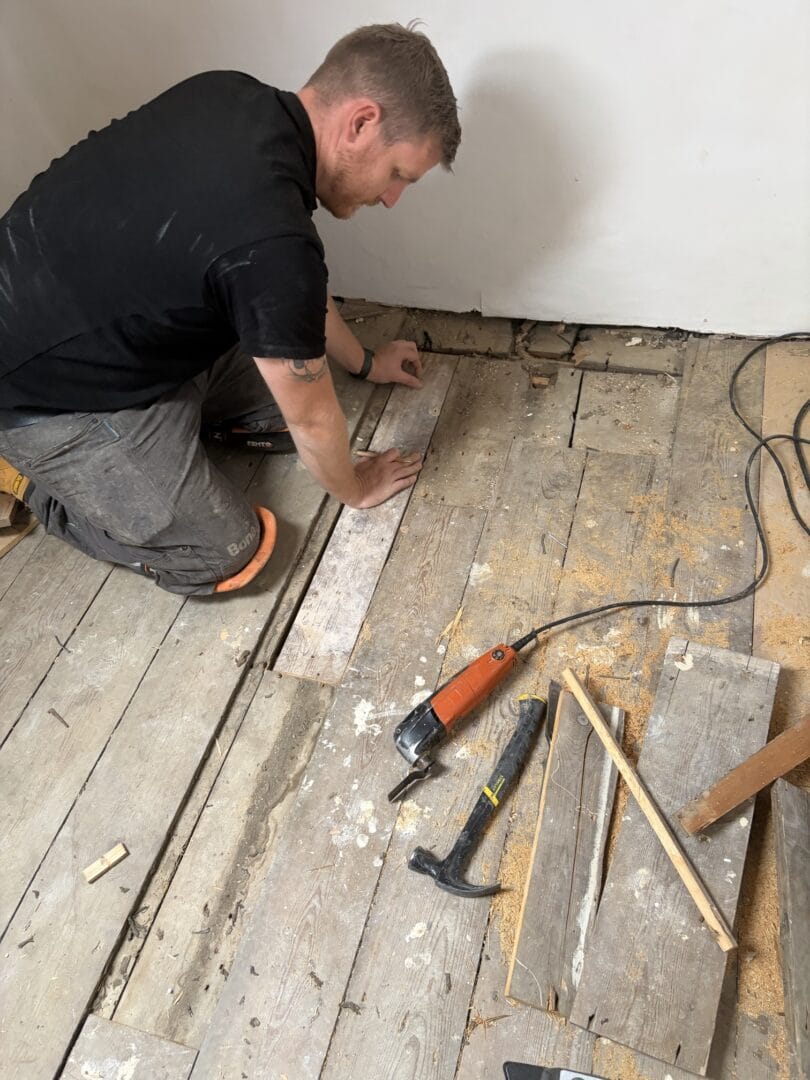
Not every wooden floor needs repairs, but the quote should make clear whether repairs have been allowed for.
This might include loose boards, damaged boards, missing sections, gaps, split timber or previous repairs that do not blend well.
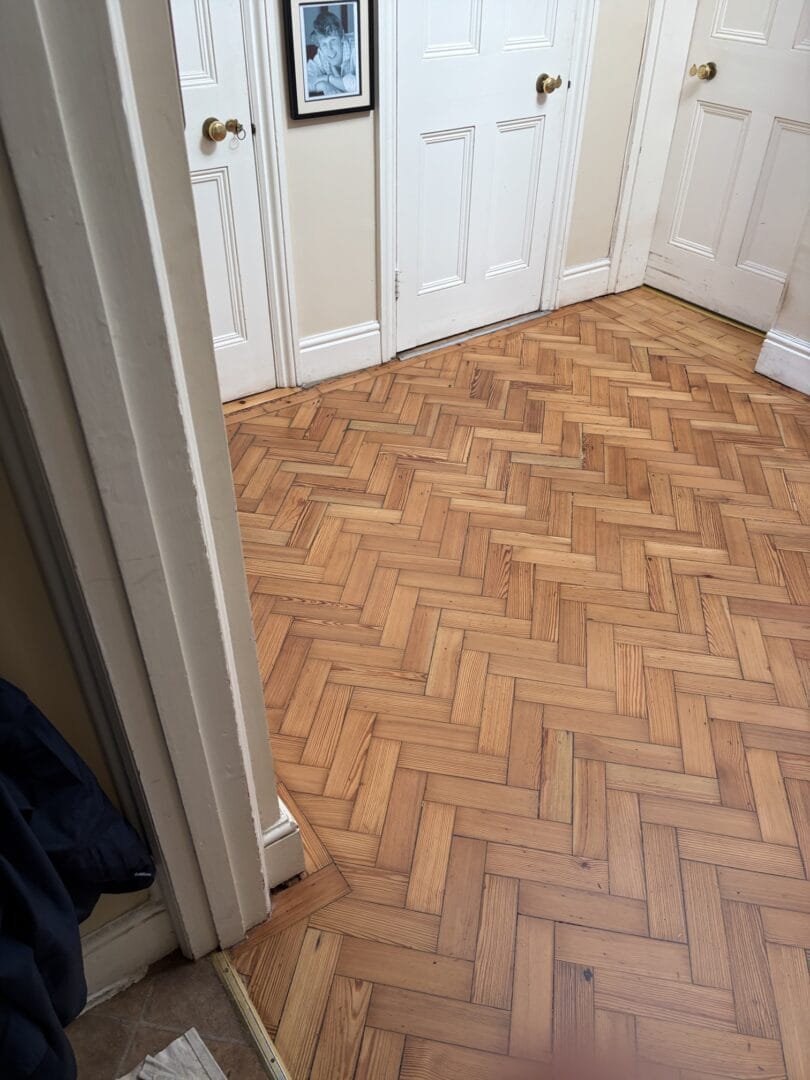
With parquet or block flooring, it may also include loose blocks, uneven areas or sections that need specialist attention.
This is one of the areas where quotes can vary most. One quote may include minor preparation. Another may list repairs separately. Another may not mention repairs at all.
That does not automatically make one quote better than another, but it does mean you should ask what happens if repairs are needed.
It is much easier to understand the likely cost before the work starts than to find out halfway through.
Edging and corners
Floor sanding is not only about the open middle of the room.
A proper floor sanding quote should include the edges, corners and areas near skirting boards, fireplaces, thresholds and fixed furniture where possible.
These areas often need different machines and more careful hand work.
If these details are not included, the finished floor may look uneven.
The main area might look freshly sanded, while the edges still show old finish, marks or colour differences.
It is worth checking that the quote covers the full room, not just the easiest part of the floor.
Dust control, not dust-free promises
Dust is one of the biggest worries people have before booking floor sanding.
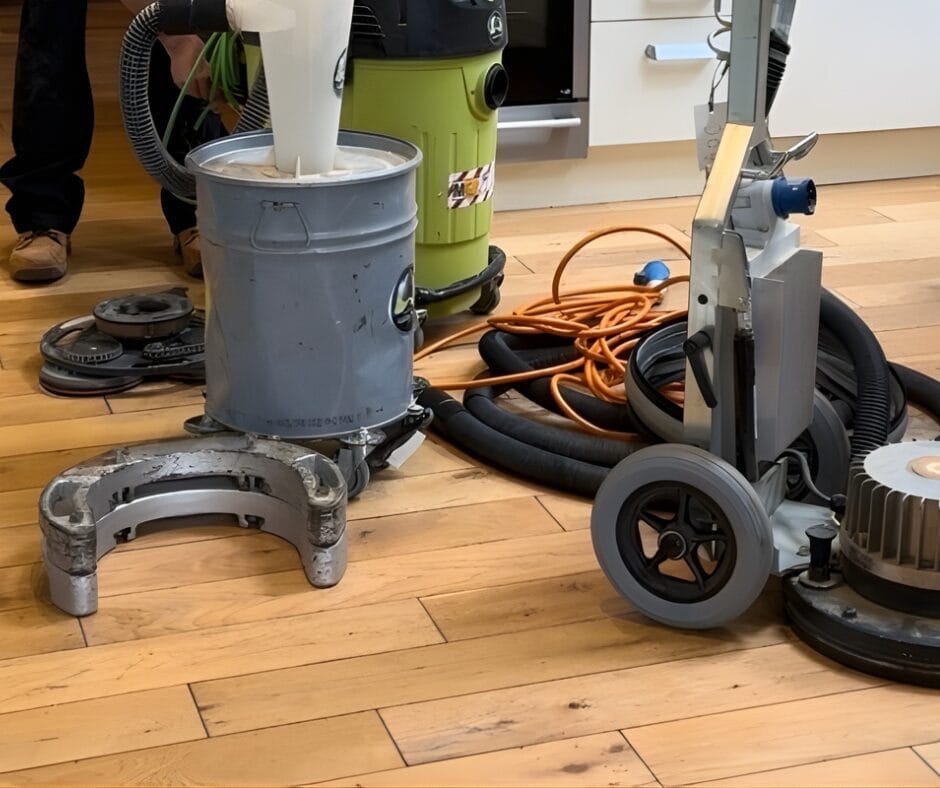
A good quote should explain how dust will be controlled.
Modern floor sanding equipment with extraction can reduce dust heavily, and careful working can make the process far less messy than many people expect.
The important point is wording.
Be cautious with any quote that promises a completely dust-free job… Low-dust or dust-controlled sanding is a more realistic way to describe the process.
Clients often notice and value tidy working because floor sanding happens inside the home, not in a workshop.
A clear quote should help you understand what the company does to reduce dust, protect the space and leave the room ready for the next stage.
The finish system
A floor sanding quote should tell you what finish will be applied after sanding.
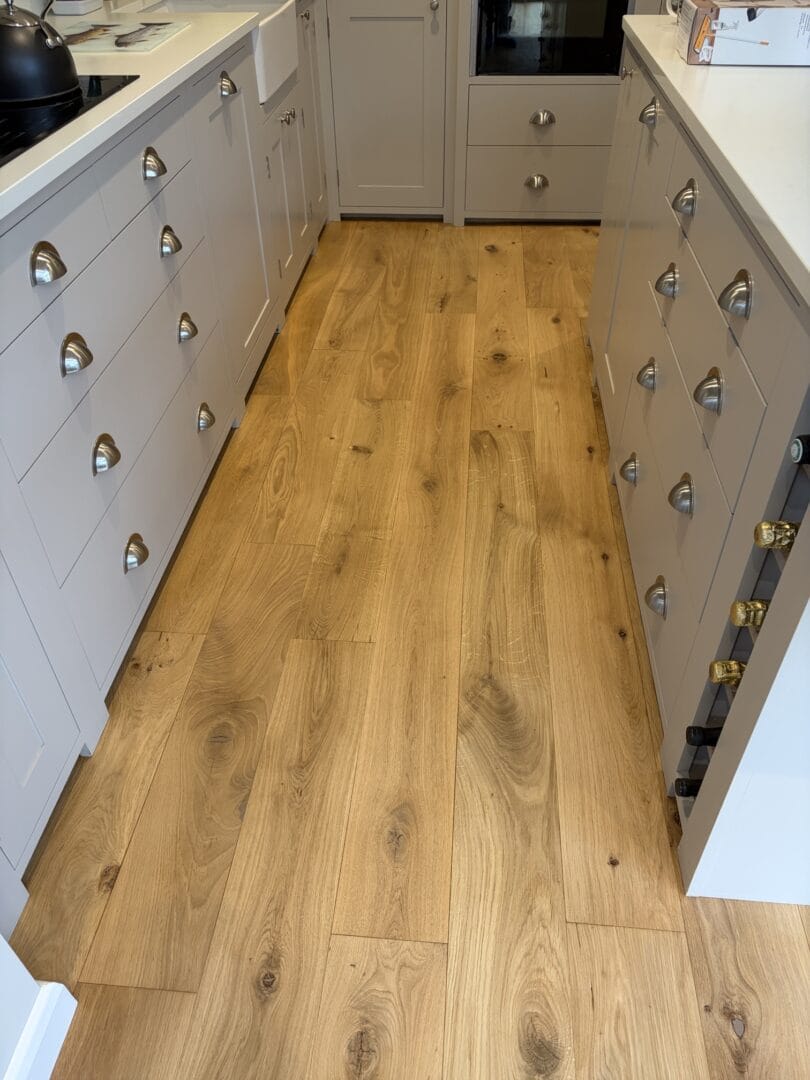
This may be oil, lacquer, hardwax oil or another suitable floor finish. The right choice depends on the floor, the room and how the home is used.
A hallway with pets and heavy foot traffic may need a different finish from a quiet bedroom. A kitchen floor might need a very careful discussion around moisture, cleaning habits and durability. Pine boards may respond differently from oak. Engineered wood may have limits depending on the remaining wear layer.
The quote should explain:
- what finish is being used
- how many coats are included
- whether the finish is oil, lacquer or another system
- what appearance is expected
- how long the floor needs before normal use
- what aftercare is recommended
It should not simply say “sand and seal” without explaining what that means.
Drying time, curing time and room use
A useful quote should explain when you can use the room again.
This is not just about the day the sanding happens. Once the finish is applied, the floor may need time before light foot traffic, furniture replacement, rugs, pets or normal daily use.
Drying and curing times can vary depending on the finish system, ventilation, temperature and the room itself. Heavy furniture, rugs and dog claws can all affect a fresh finish if the room is used too soon.
A clear quote should set expectations before the work is booked, especially if the floor is in a kitchen, hallway, living room or other space you rely on every day.
Furniture and room readiness
Furniture planning should not be left until the technician arrives.
Before accepting a quote, check what needs to be moved, who is responsible for moving it and whether heavy or awkward items need special planning. You can move SOME furniture easily. Some cannot. Some items may be fragile, fitted, very heavy or unsafe for one person to move.
If you are unsure whether they can clear the room, tell the company early. This allows the team to advise you properly, adjust the plan or arrange extra help where needed.
This may not sound like a big part of a floor sanding quote, but it can affect the whole day. Good planning protects the client, the technician, the furniture and the schedule.
What might change the price?
A quote should be clear about what is included, but it should also explain what could change the cost.
Possible extras may include:
- unexpected repairs
- boards that need replacing
old paint or adhesive removal
- difficult edging
- stairs or landings
- furniture that needs extra planning
- additional coats or finish changes
- engineered floors that need more careful assessment
- deep stains or damage that you can’t judge fully before sanding
This does not mean the quote should feel uncertain or vague. It means the company should be honest about the things that they can’t always fully know until work begins.
Older floors, painted boards and previously covered floors can hide surprises. A good quote should make that clear without making the client feel worried.
Aftercare advice
Aftercare should be part of the conversation, not an afterthought.
Once a wooden floor has been sanded and finished, the way it is looked after will affect how well it lasts. The quote or follow-up should explain how to clean the floor, what to avoid and when to ask for maintenance advice.
Useful aftercare may include guidance on:
- when to move furniture back
- when to place rugs
- how to clean the floor safely
- which products to avoid
- how to reduce grit at entrances
- using felt pads under furniture
- what to do if spills happen
- when maintenance or recoating may be needed
This is especially important for busy homes, pets, kitchens, hallways and commercial spaces where the floor works hard every day.
#
The Quote Should Be Specific to Your Floor
If you are looking for a floor sanding company in Cambridge, it is reasonable to want someone who understands local homes and the kinds of floors commonly found in the area.
Cambridge and Cambridgeshire properties can include old pine boards, parquet flooring, engineered wood, modern oak floors, period homes, family kitchens, hallways and commercial spaces.
Local experience can help, but it should show through the assessment and advice rather than being repeated as a keyword.
A good local floor sanding quote should feel specific to your floor, your room and your practical needs. It should not feel like a standard price copied into an email.
Questions to ask before accepting a floor sanding quote
Before choosing a company, it is worth asking a few simple questions.
What preparation is included?
Are repairs included or quoted separately?
How will the edges and corners be handled?
What dust-control system will be used?
Which finish is included?
How many coats are included?
How long before you can use the room again?
What furniture needs to be moved before the work starts?
What could change the price?
What aftercare advice will be given?
These questions are not about catching anyone out. They help you compare quotes fairly.
The clearest quote is usually the safest starting point.
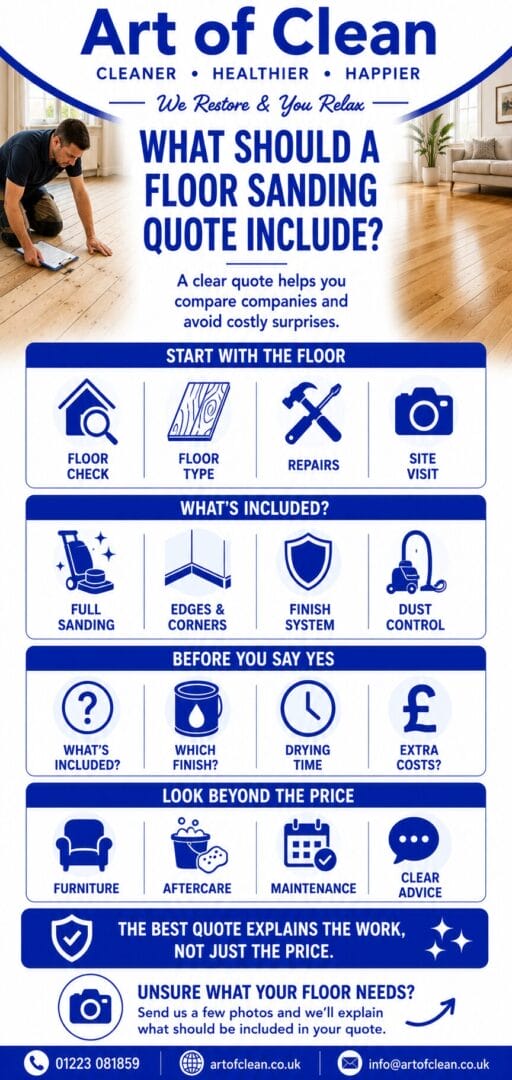
A good floor sanding quote should give you more than a price. It should give you a clear view of the work, the preparation, the finish, the likely disruption and the realistic outcome.
The cheapest quote may still be right for some floors, but only if you understand what it includes. A more detailed quote may cost more because it allows for proper preparation, careful sanding, suitable finishes, repair planning, dust control and aftercare.
The best starting point is a proper conversation about the floor you actually have.
If you are planning wood floor sanding or wood floor restoration in Cambridge or Cambridgeshire, send us a few photos or get in touch to arrange a visit.
We can look at the floor, explain what looks realistic and help you understand what should be included before you make a decision.